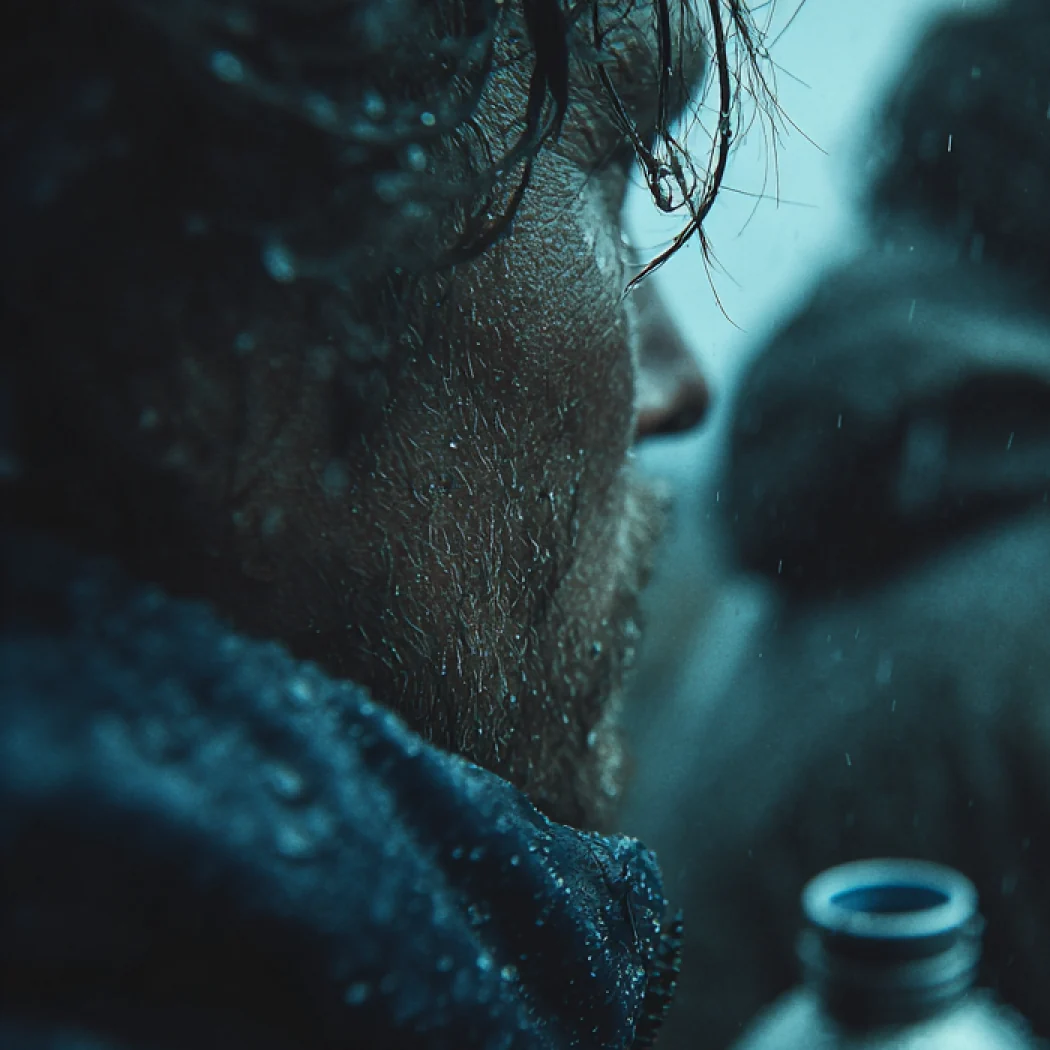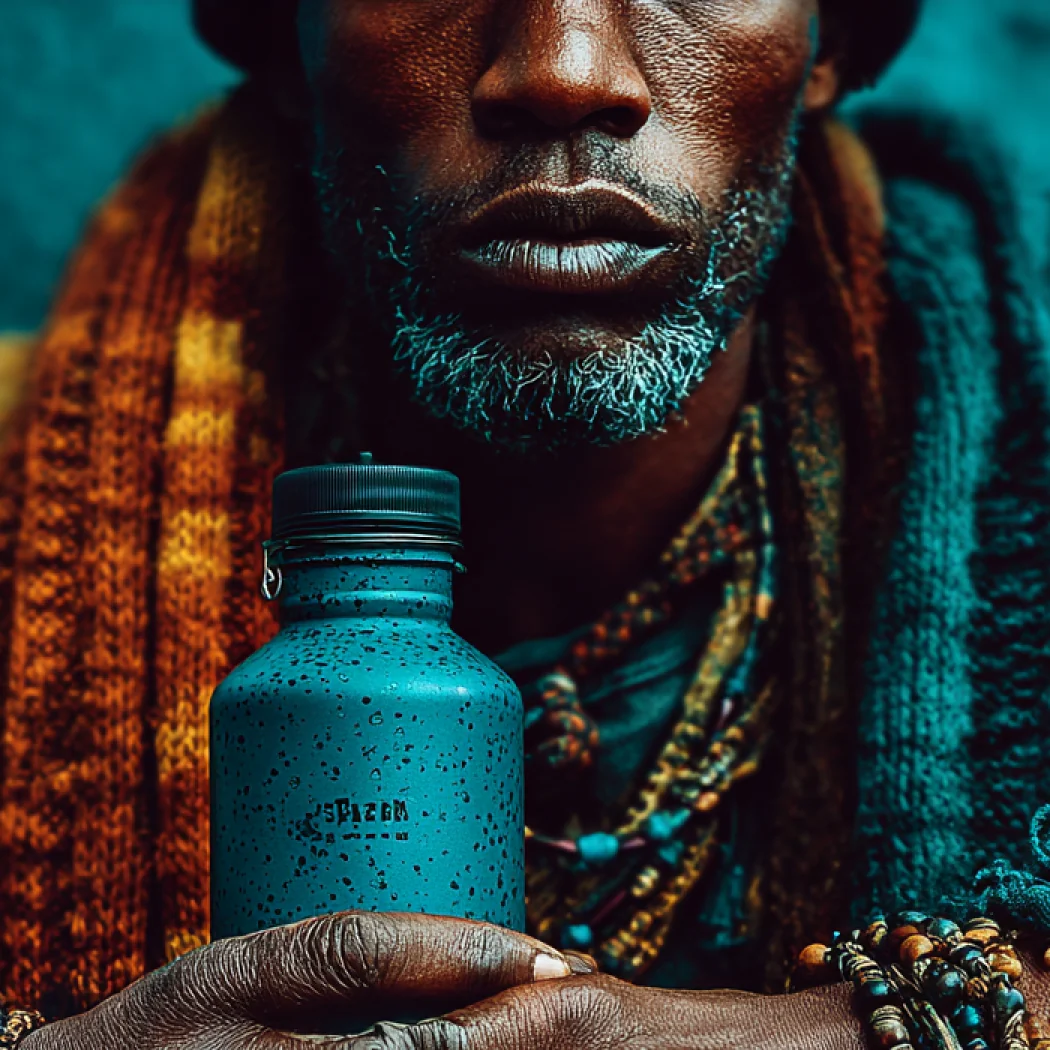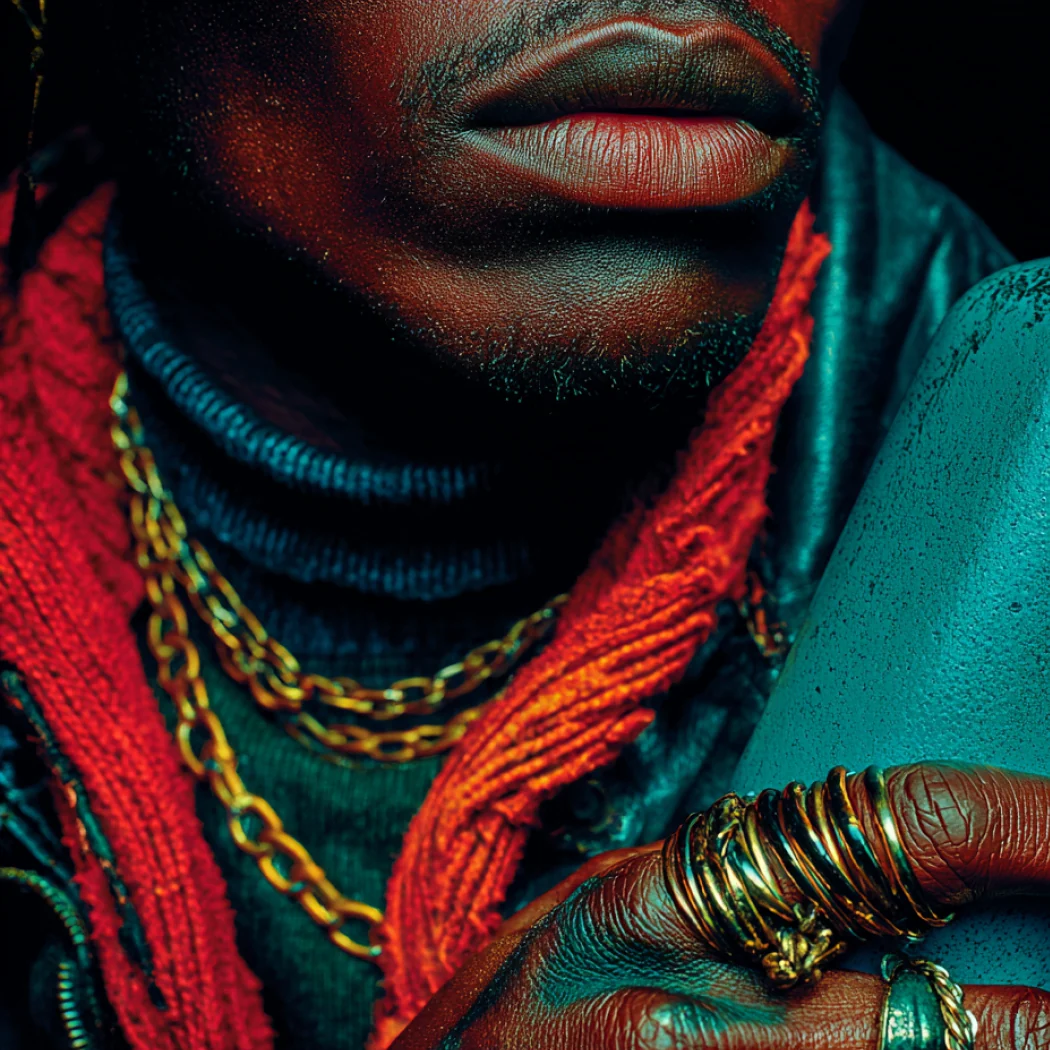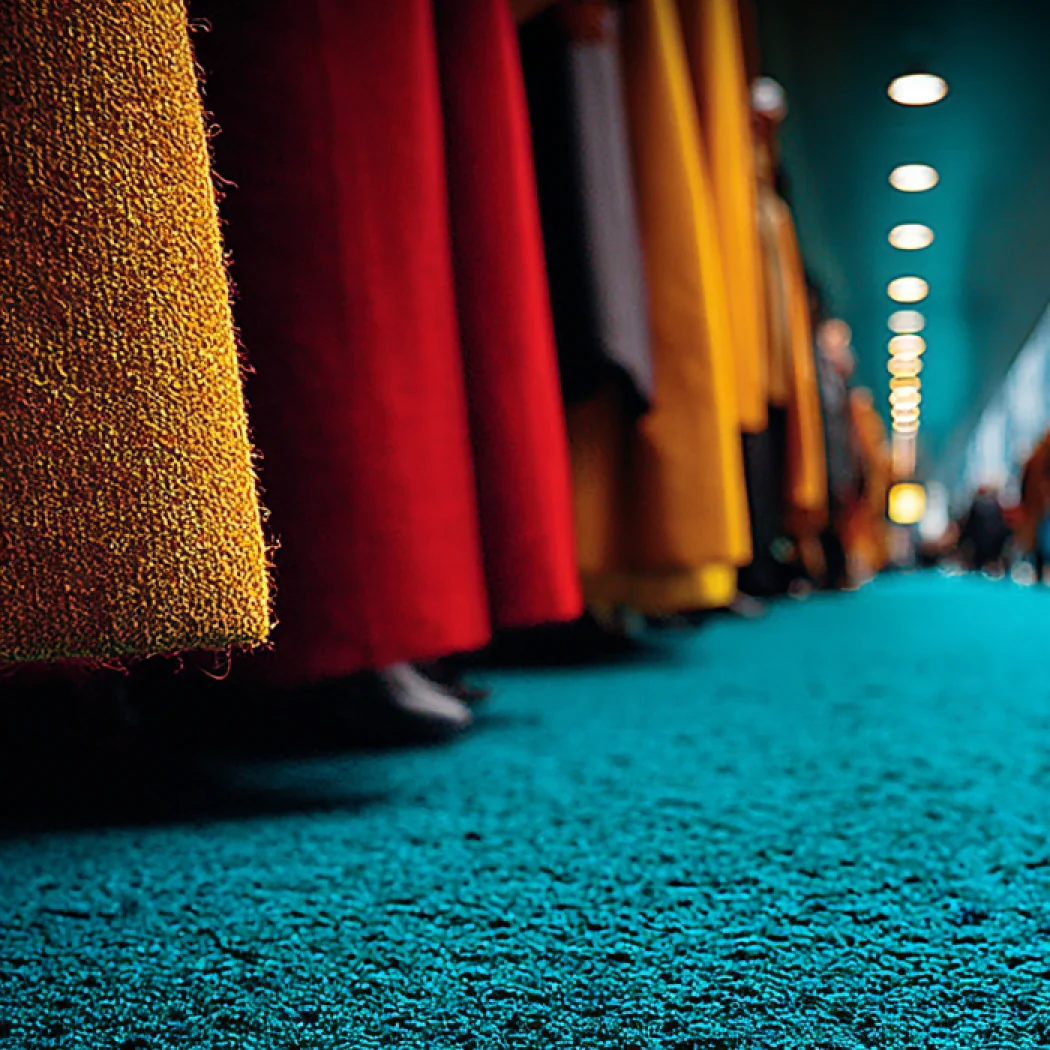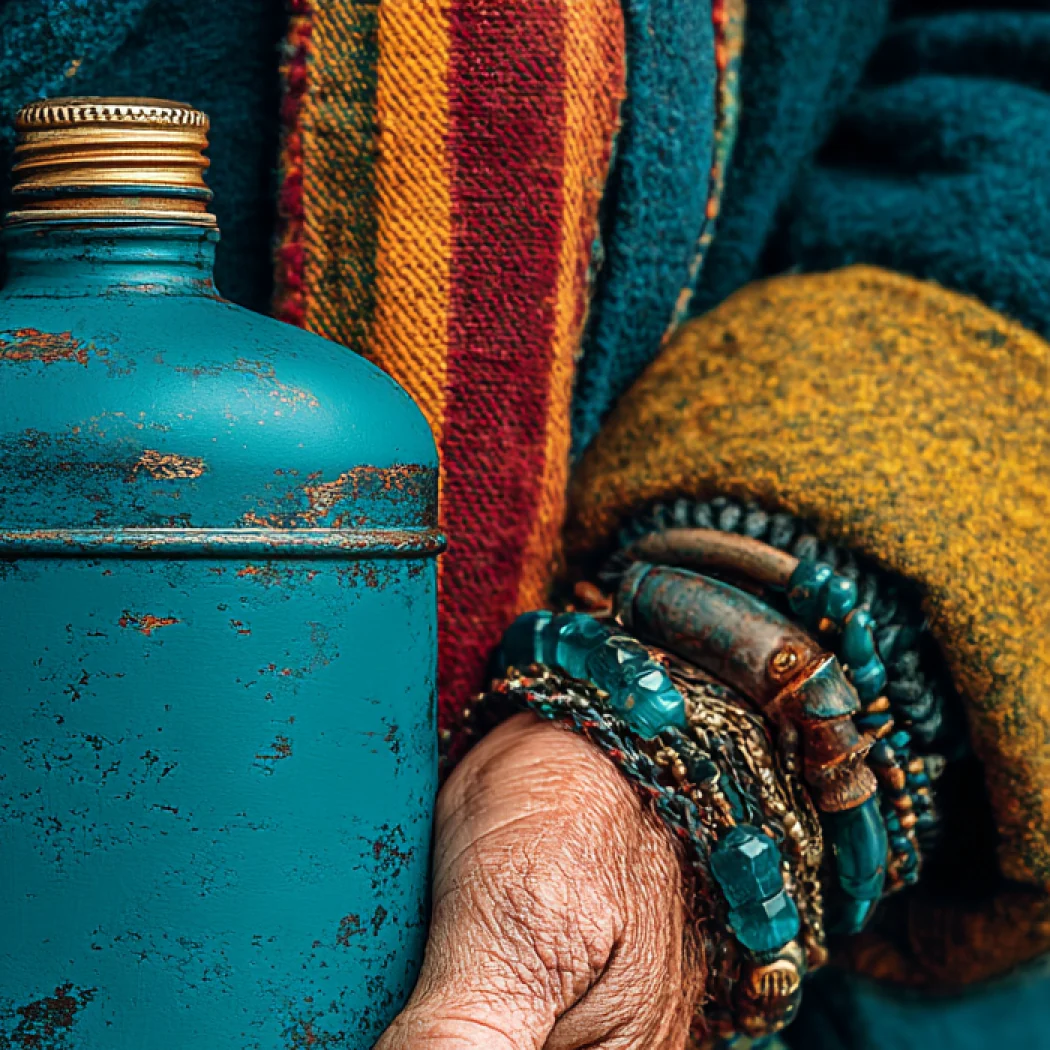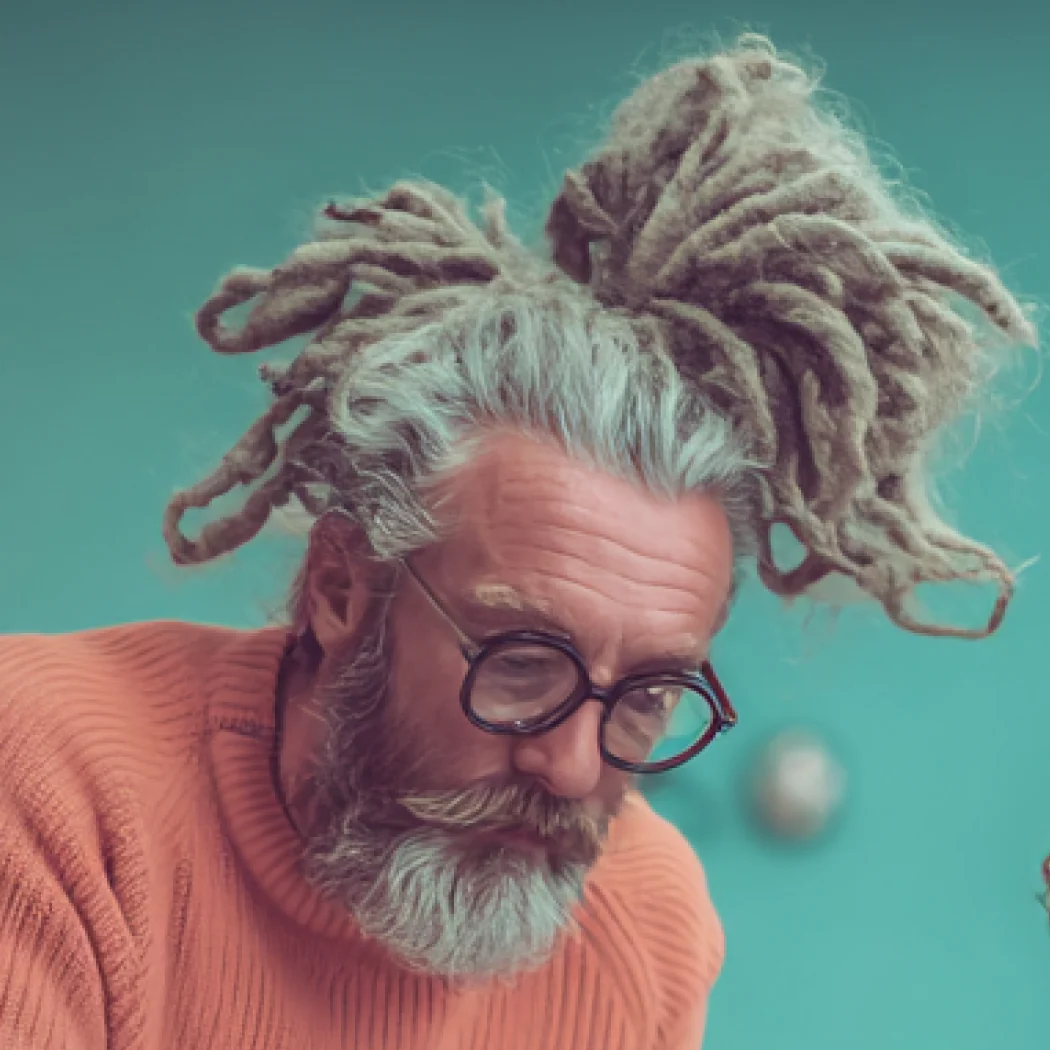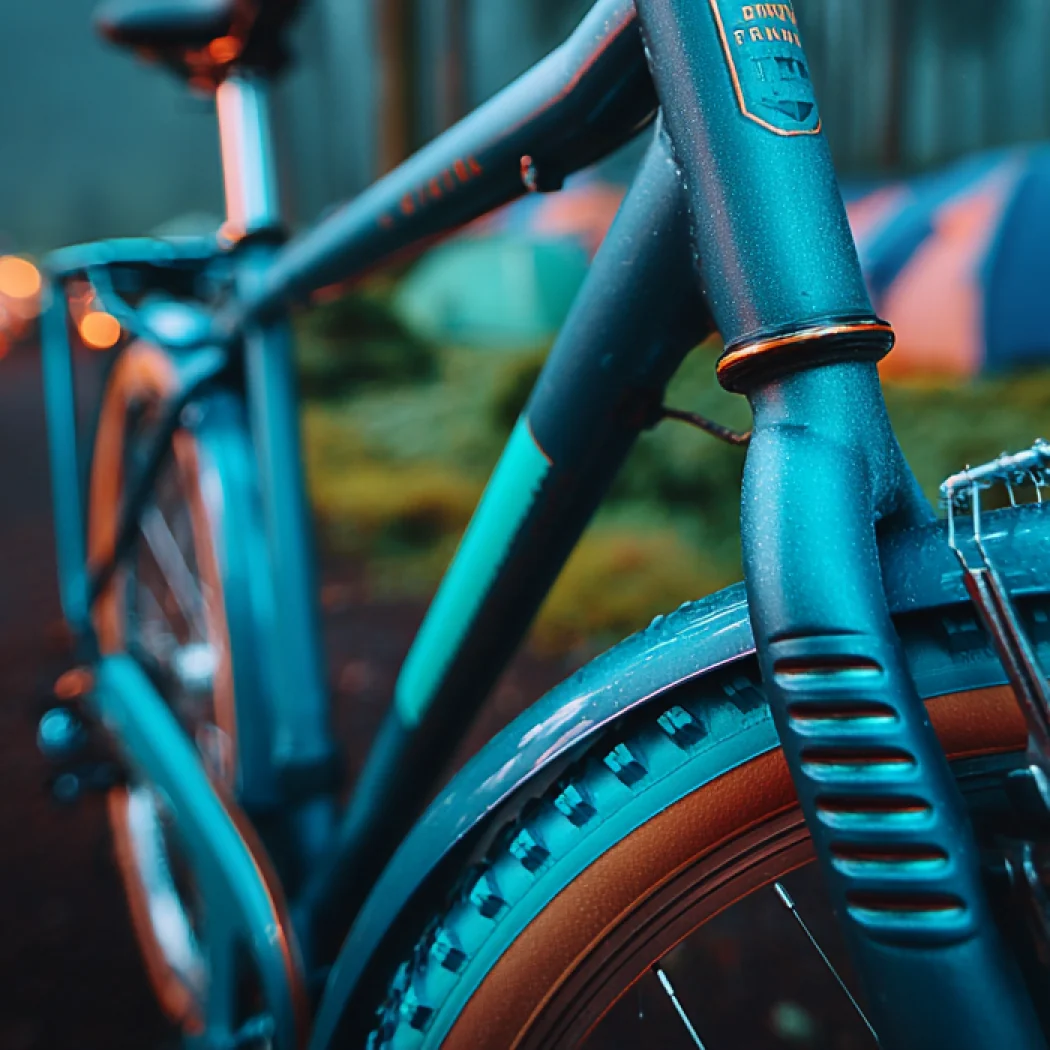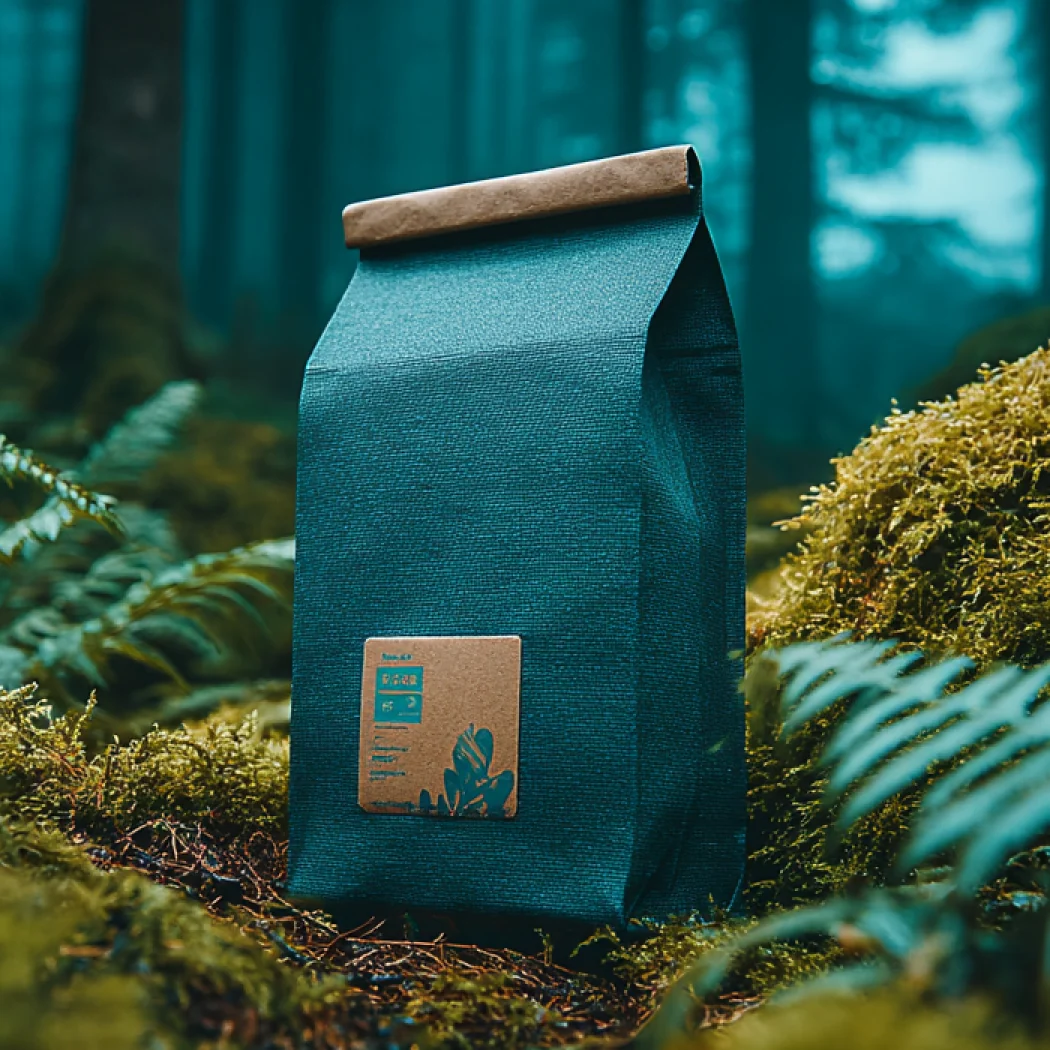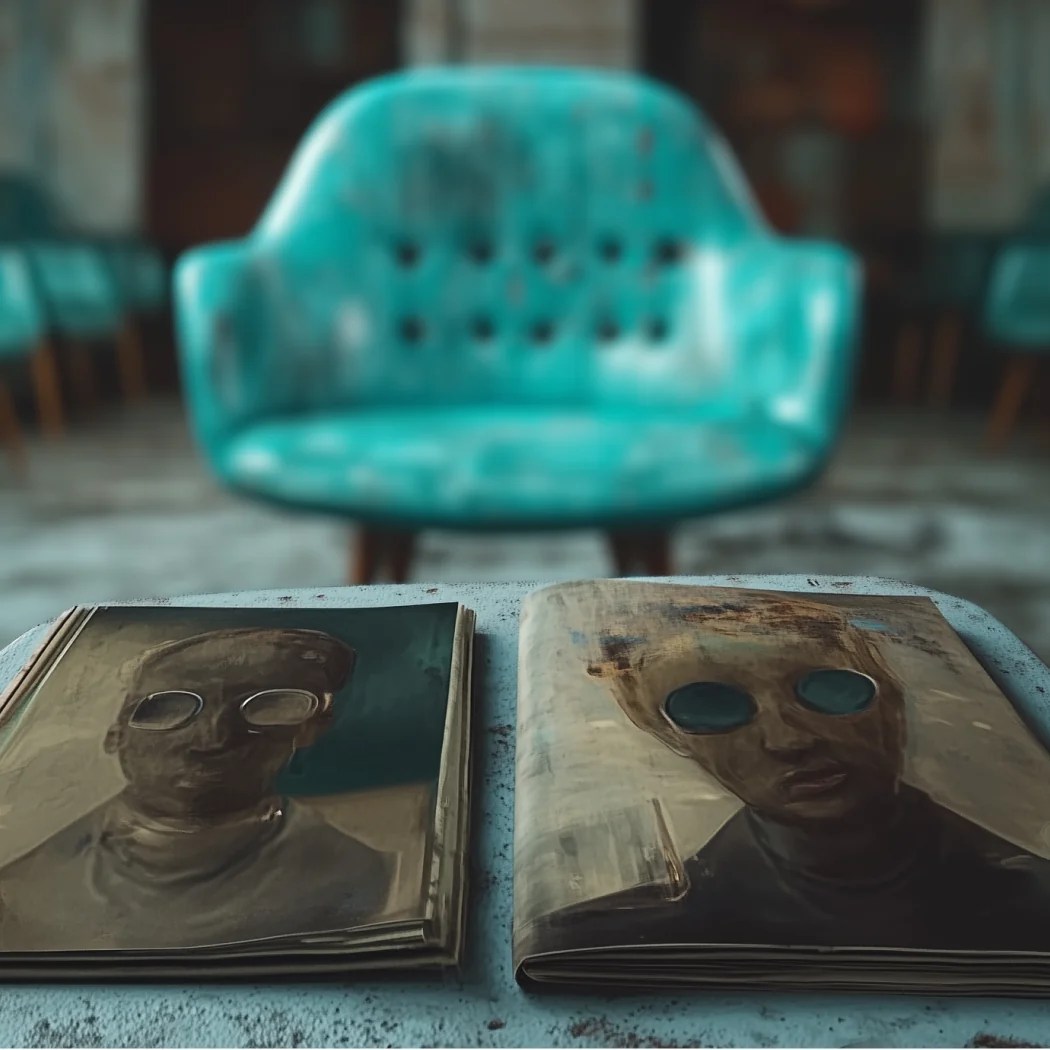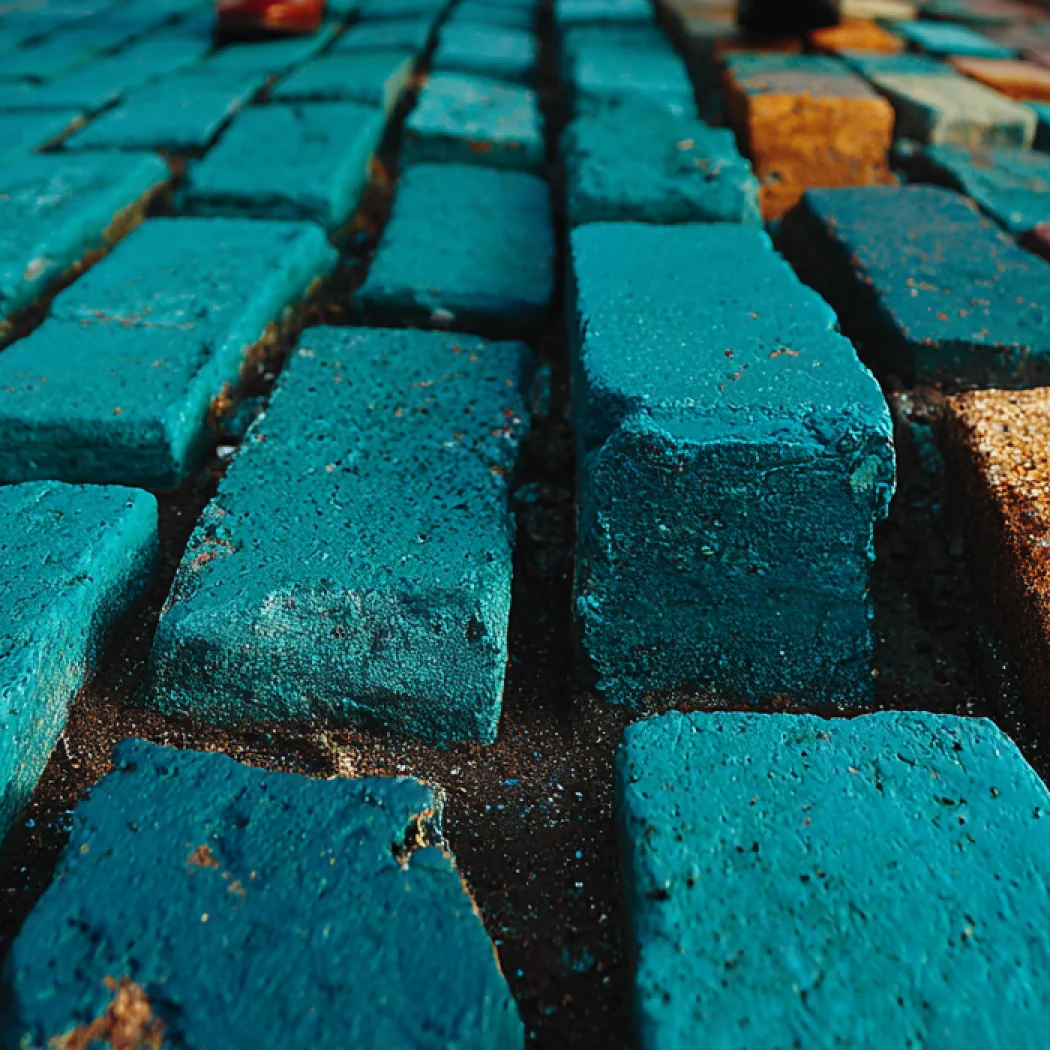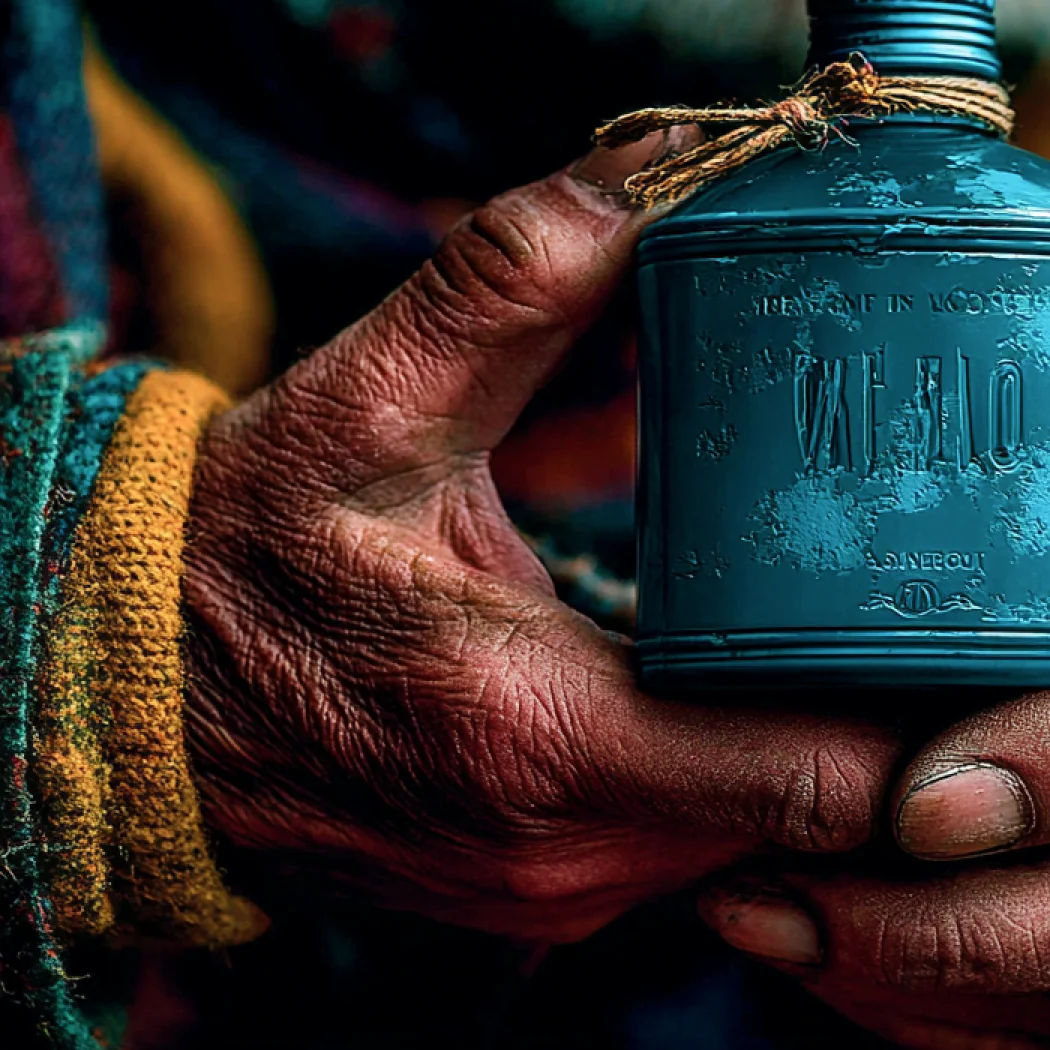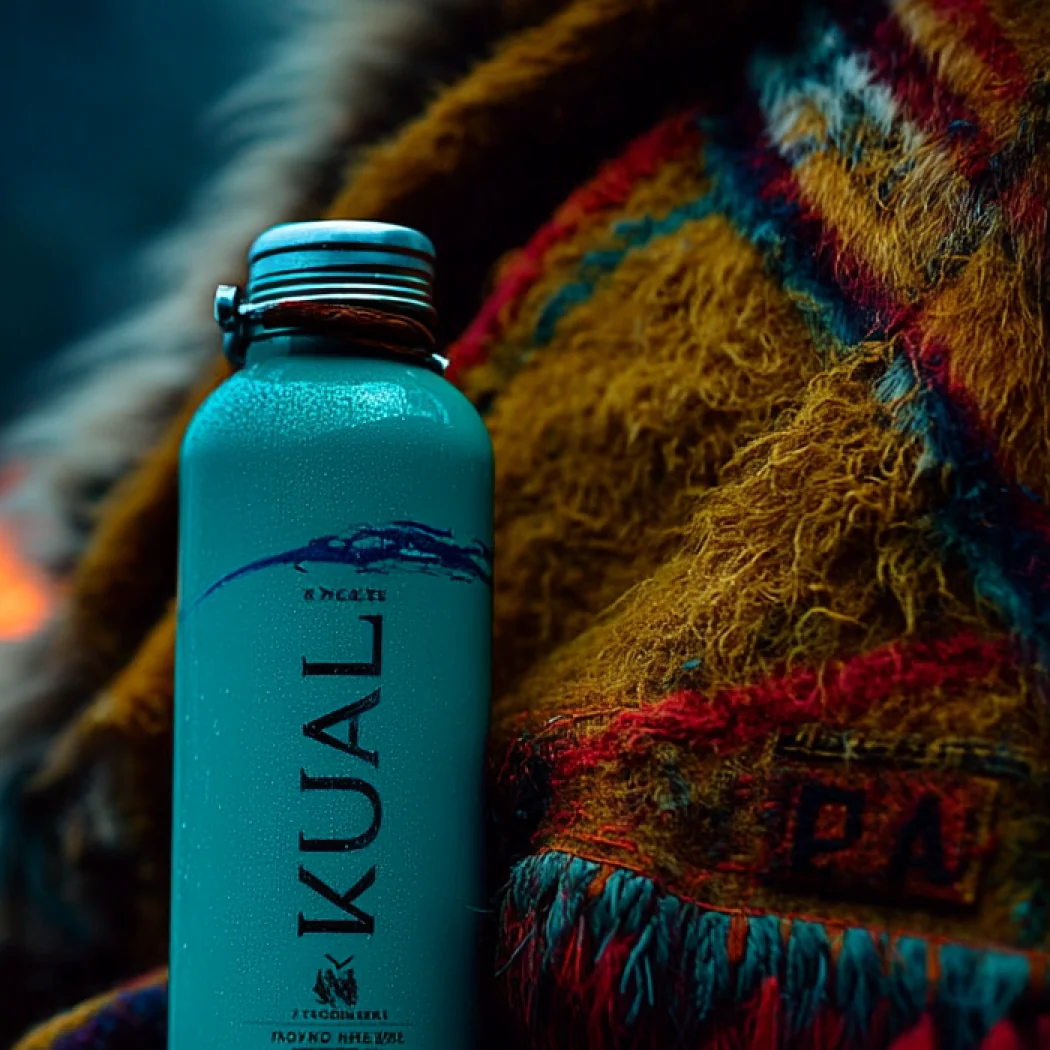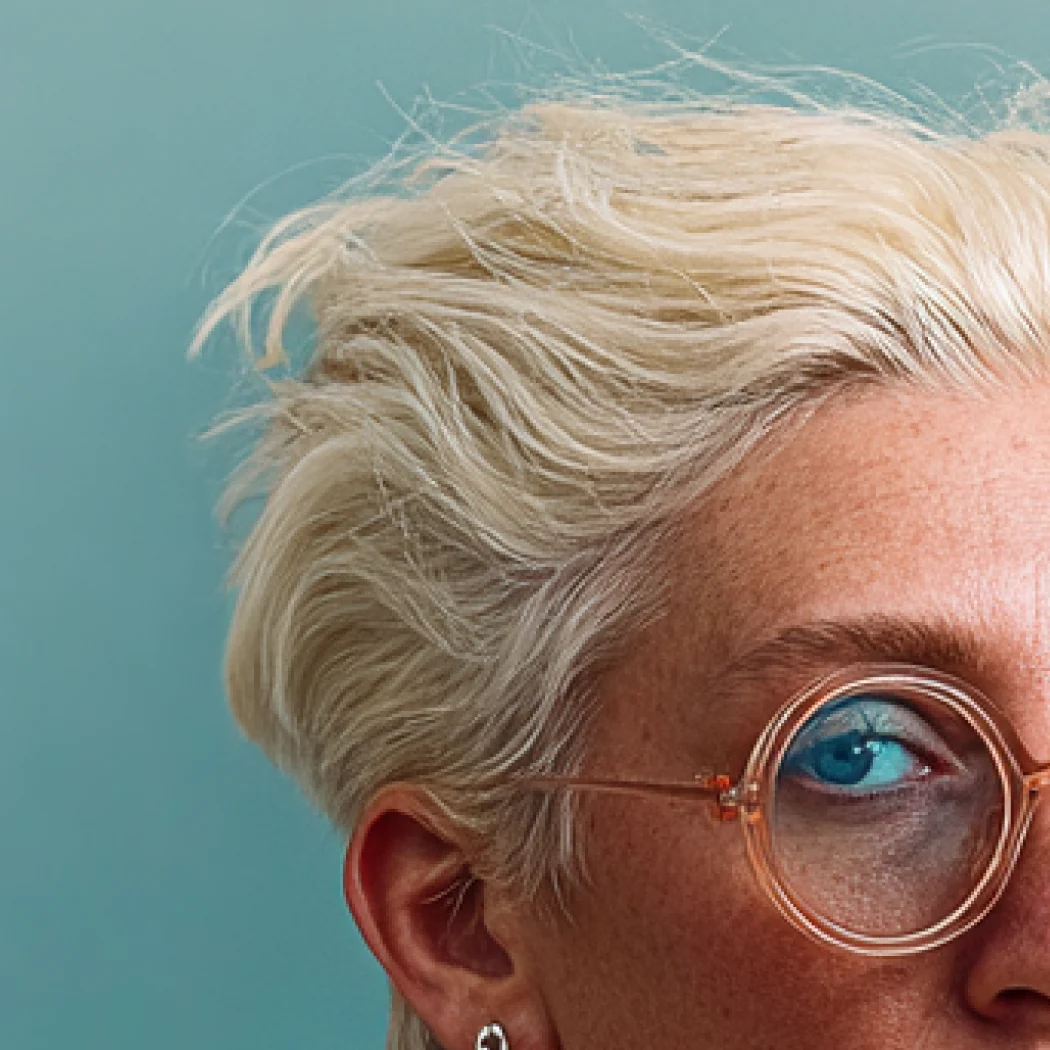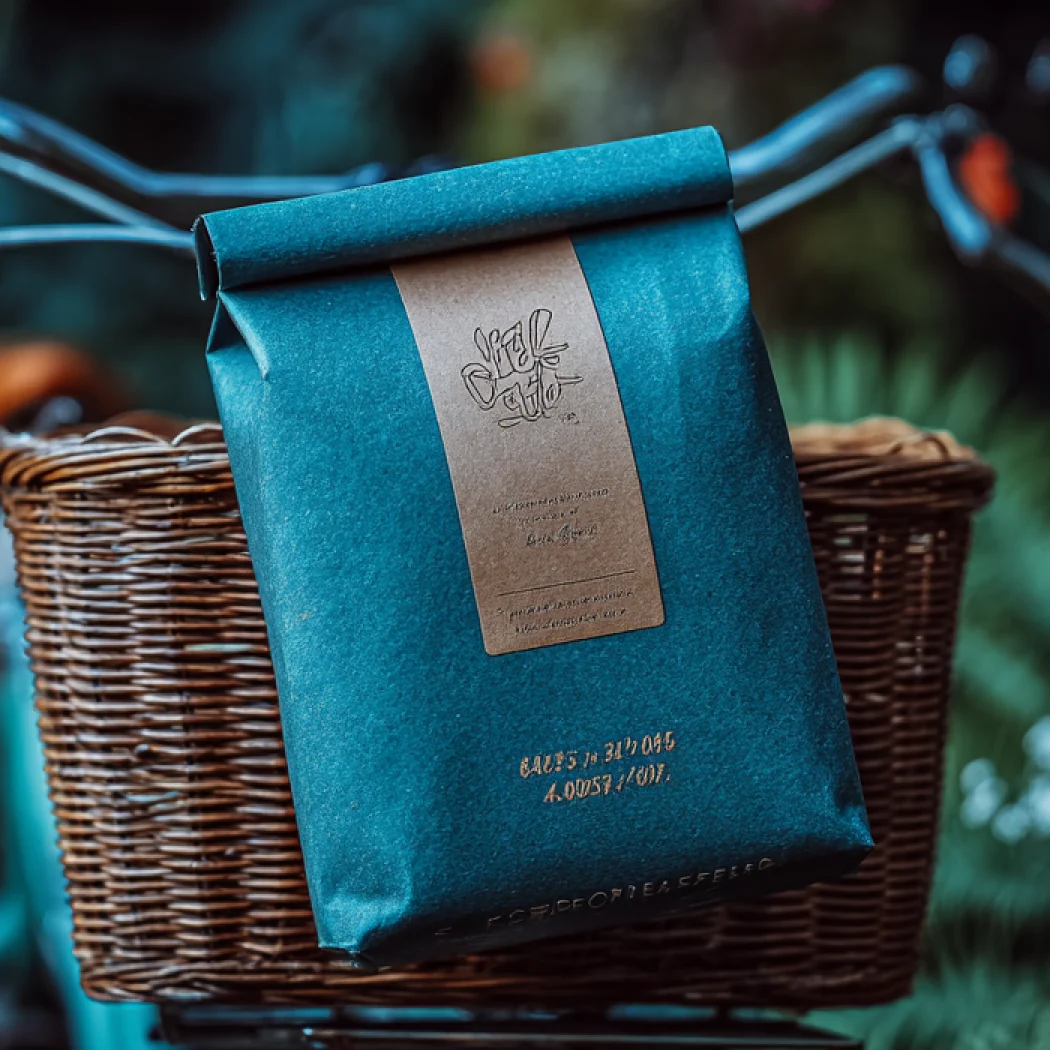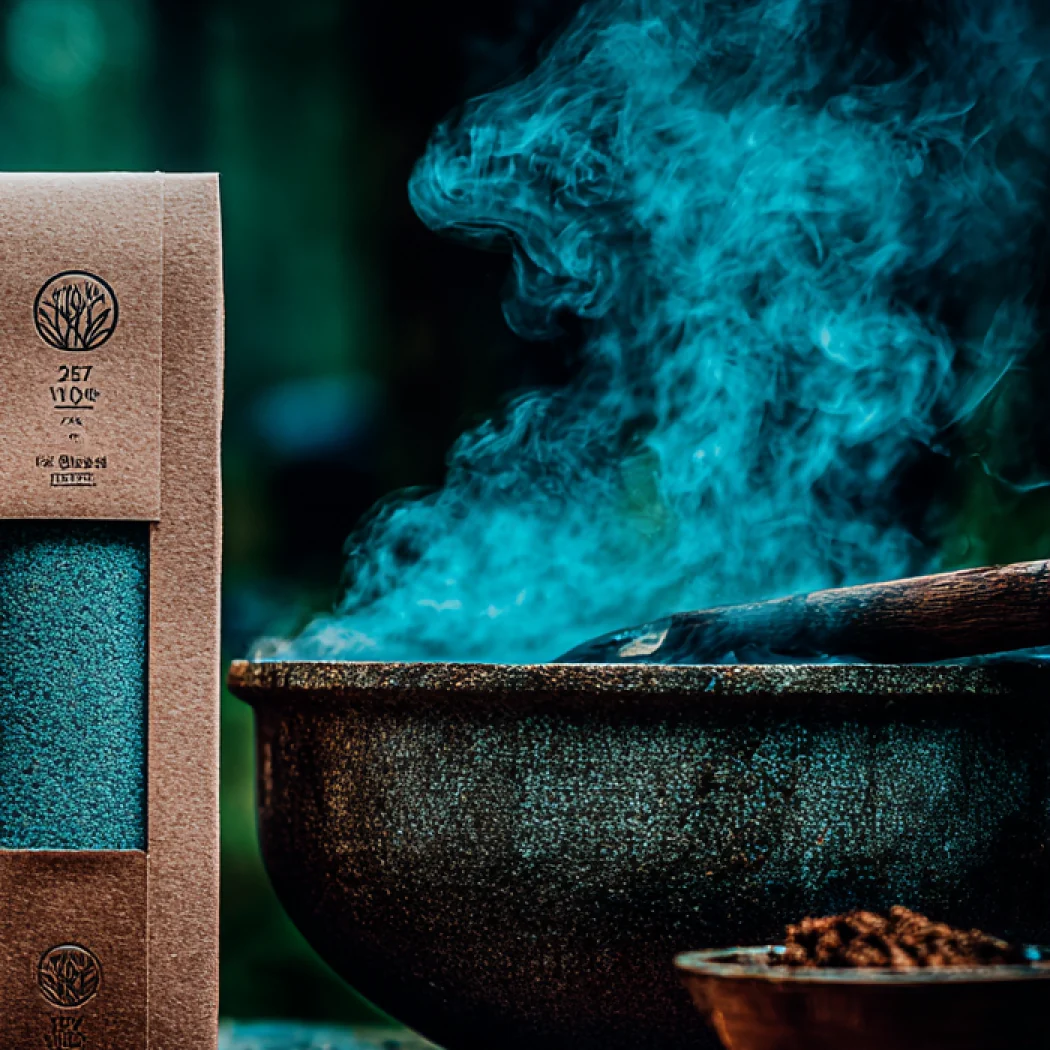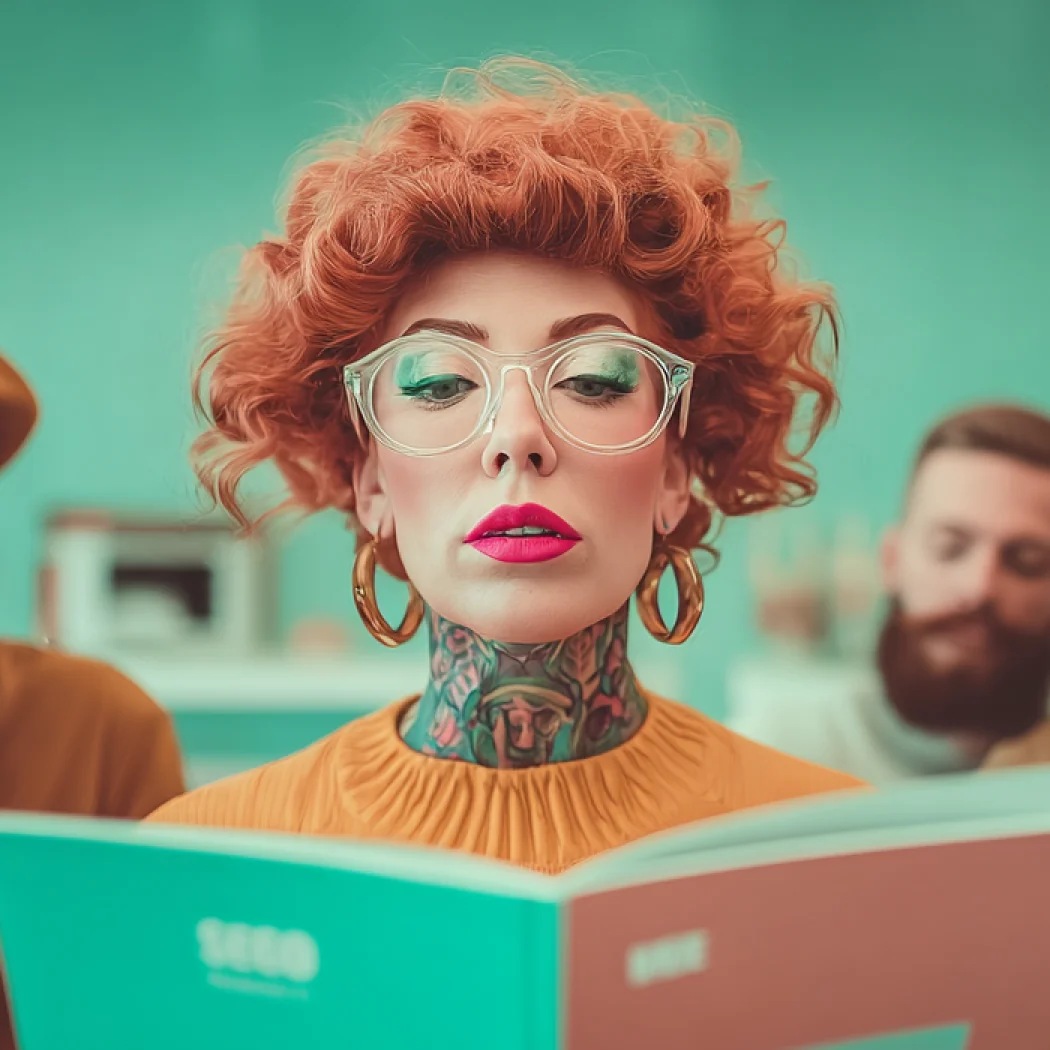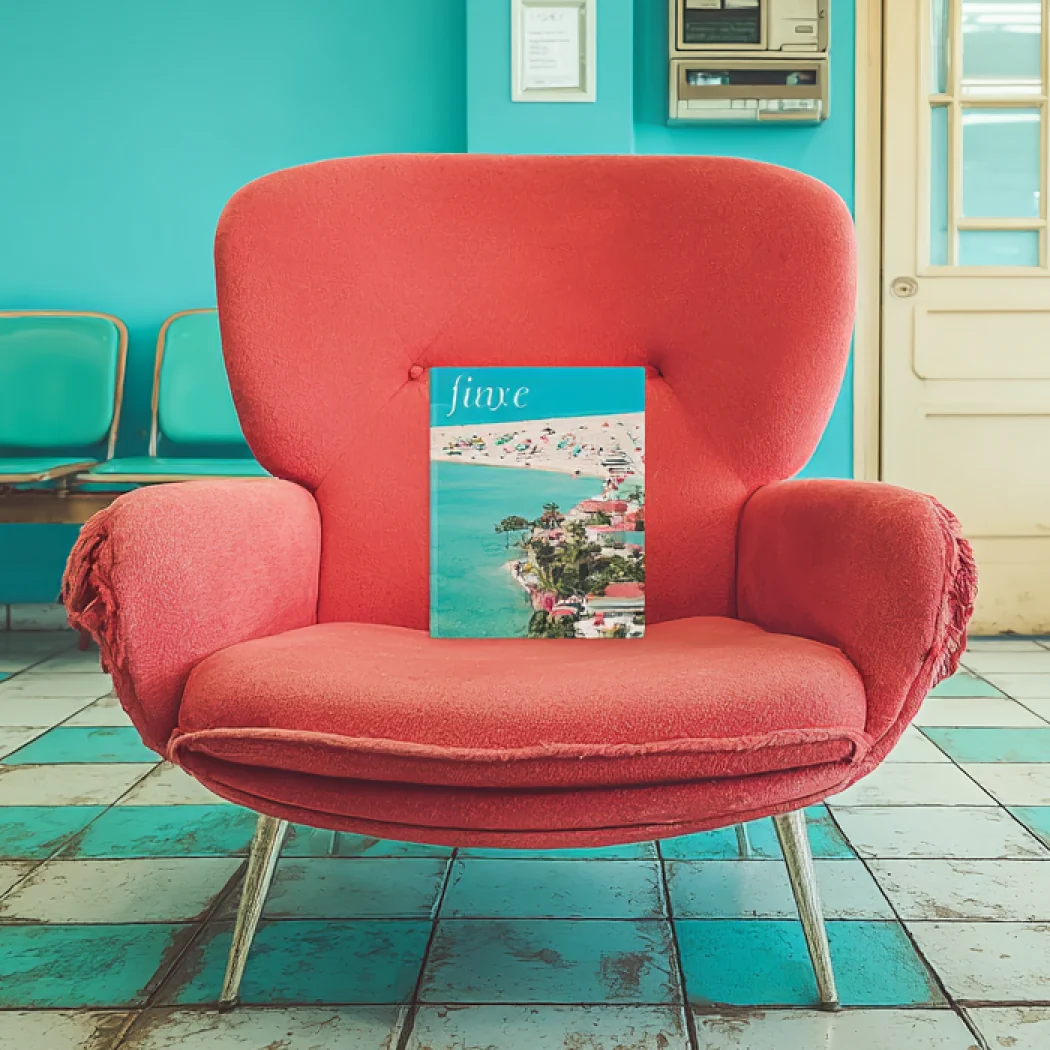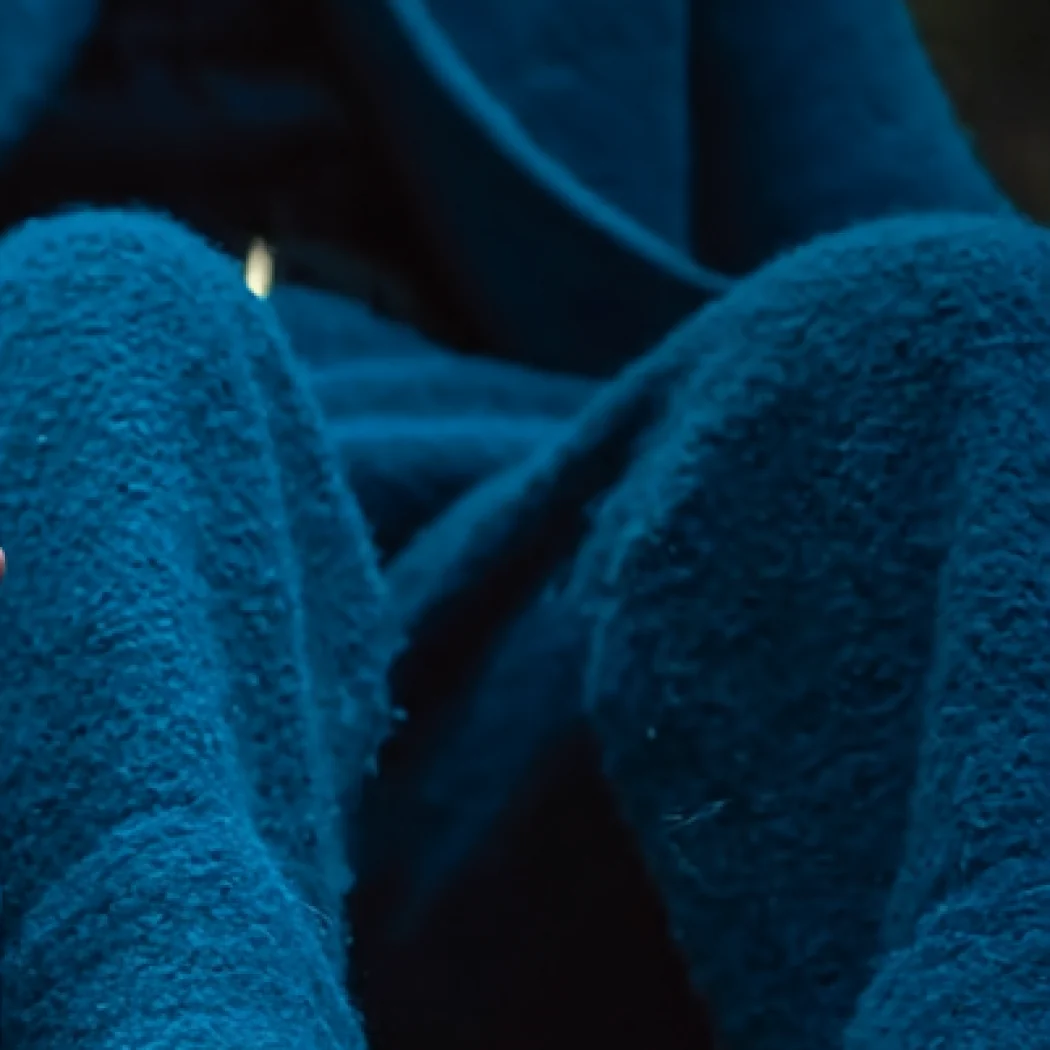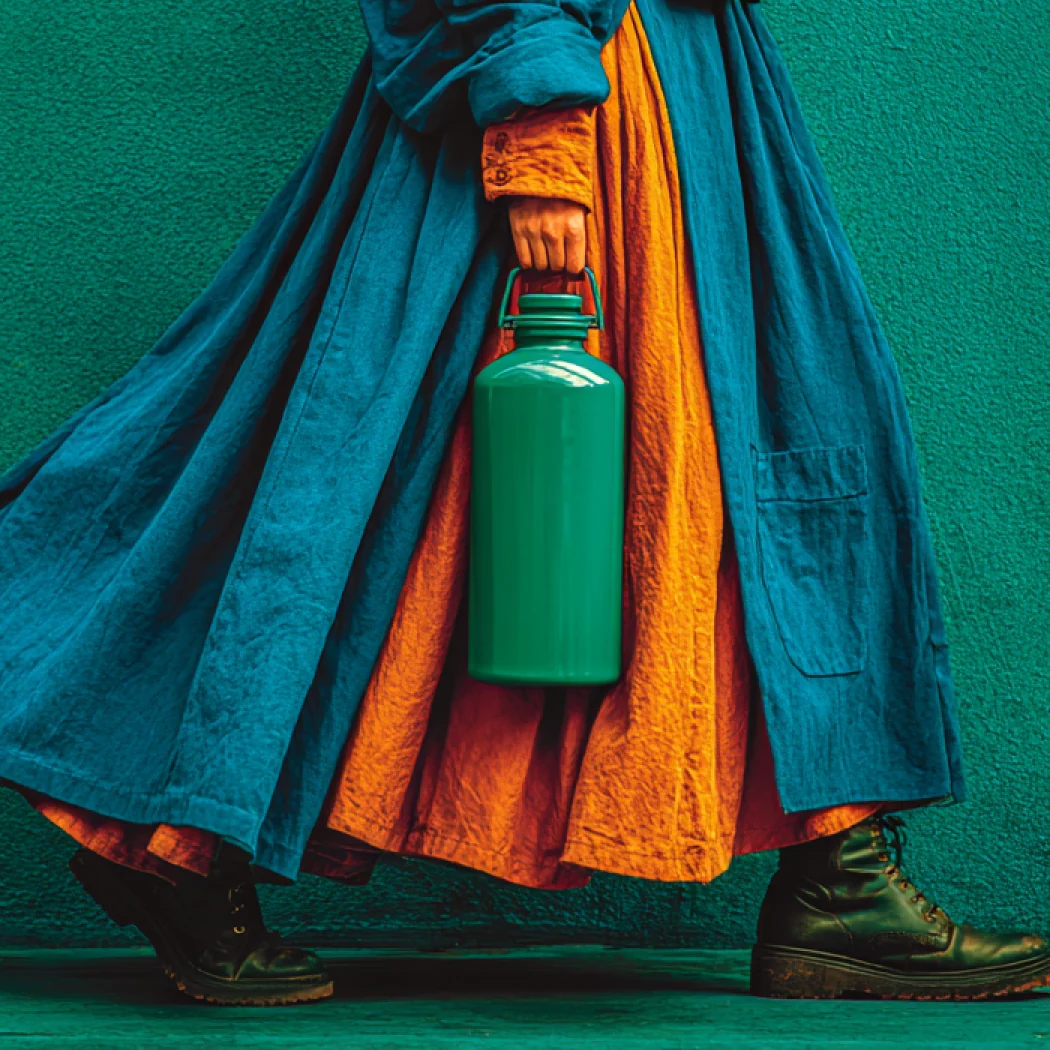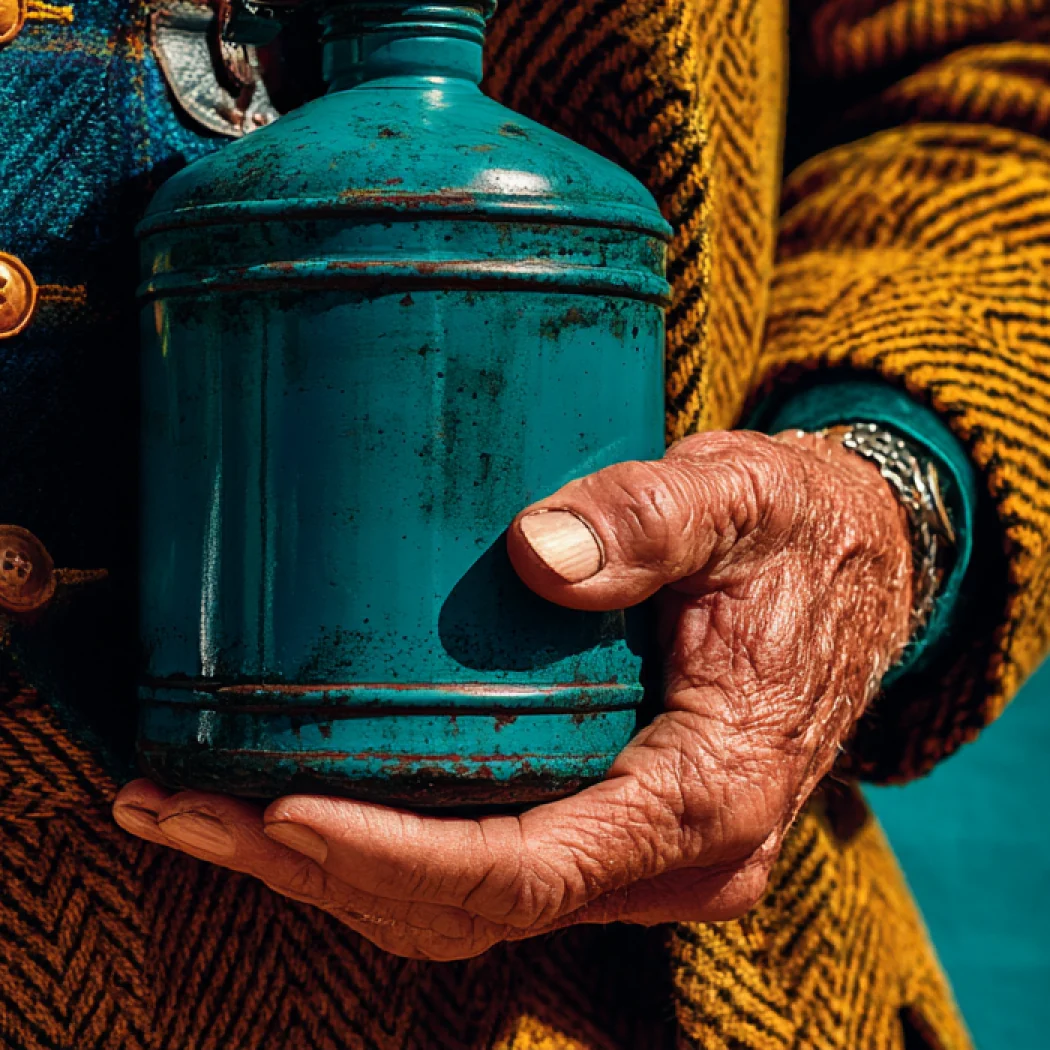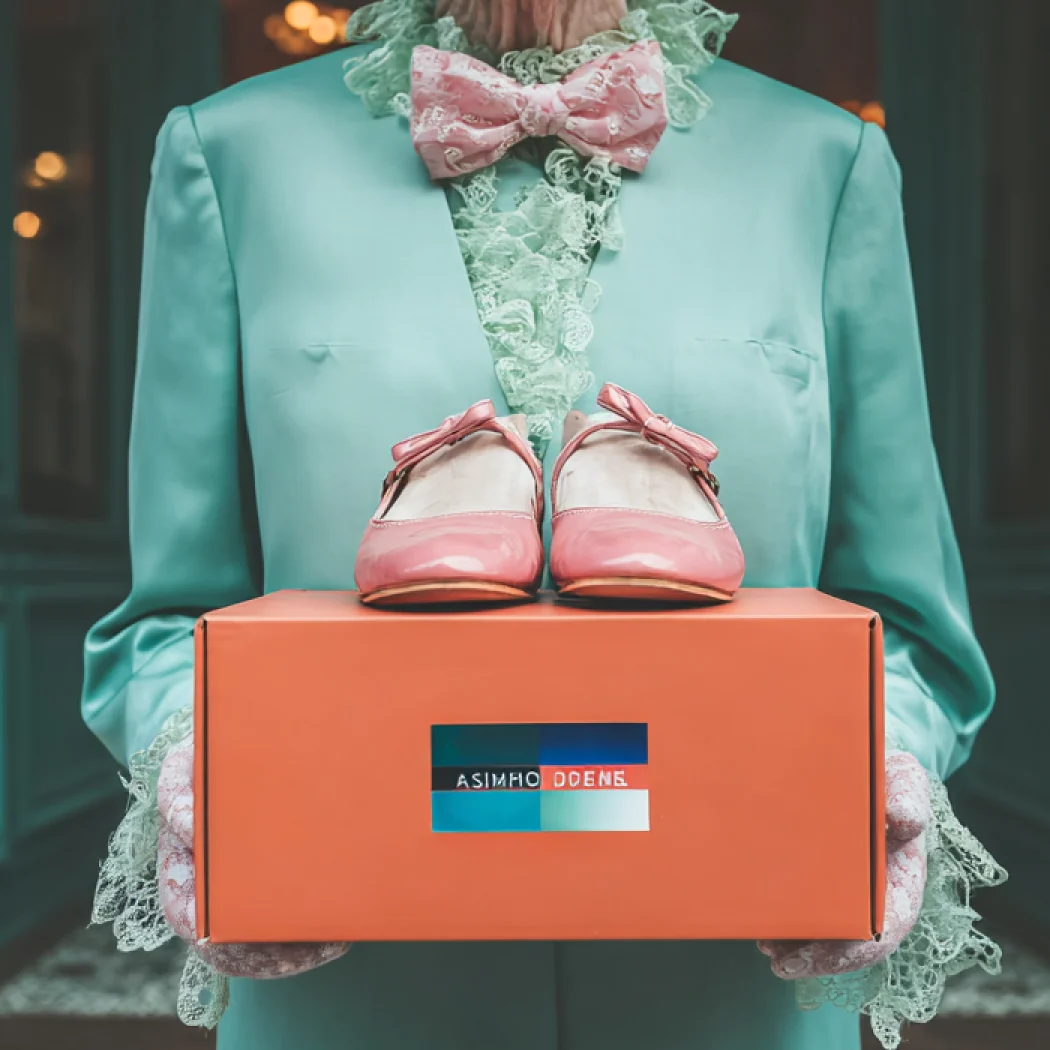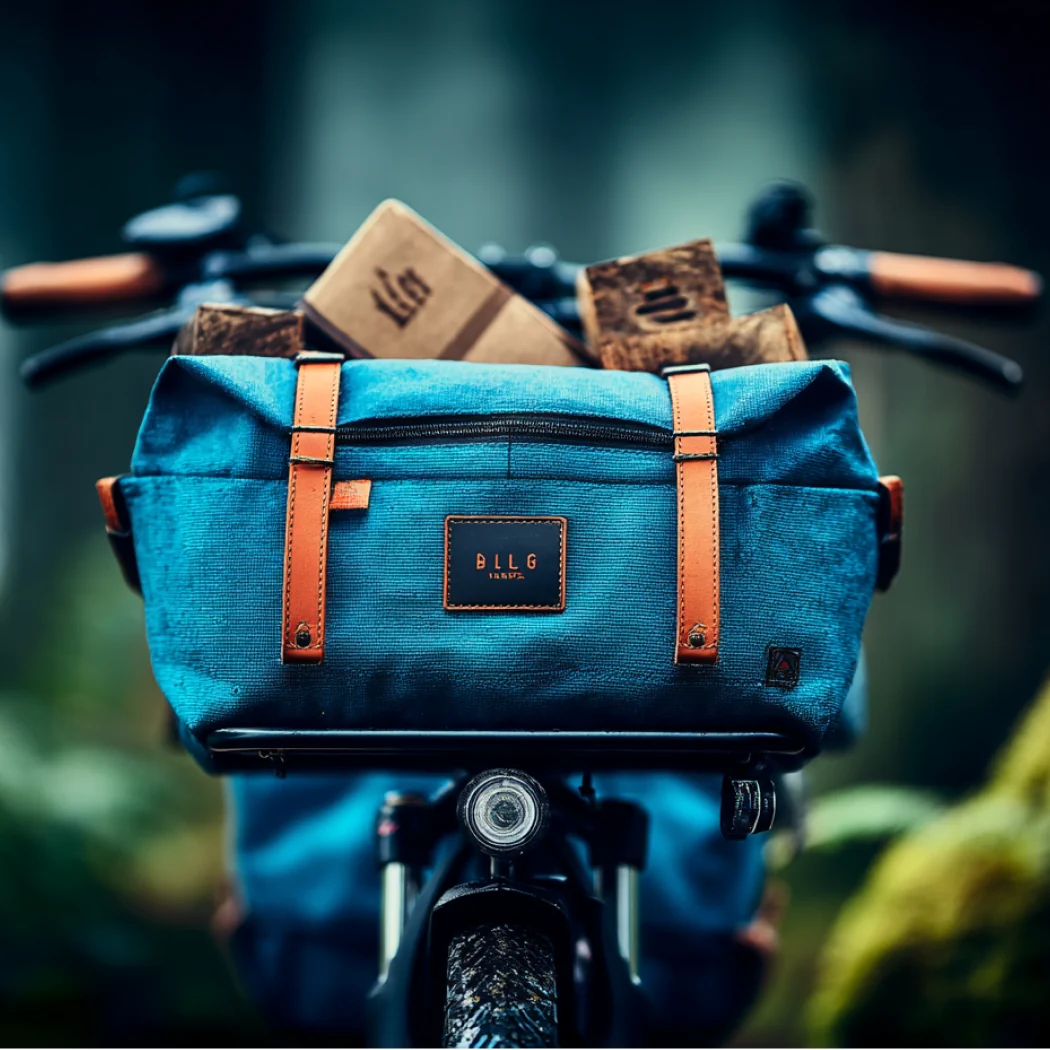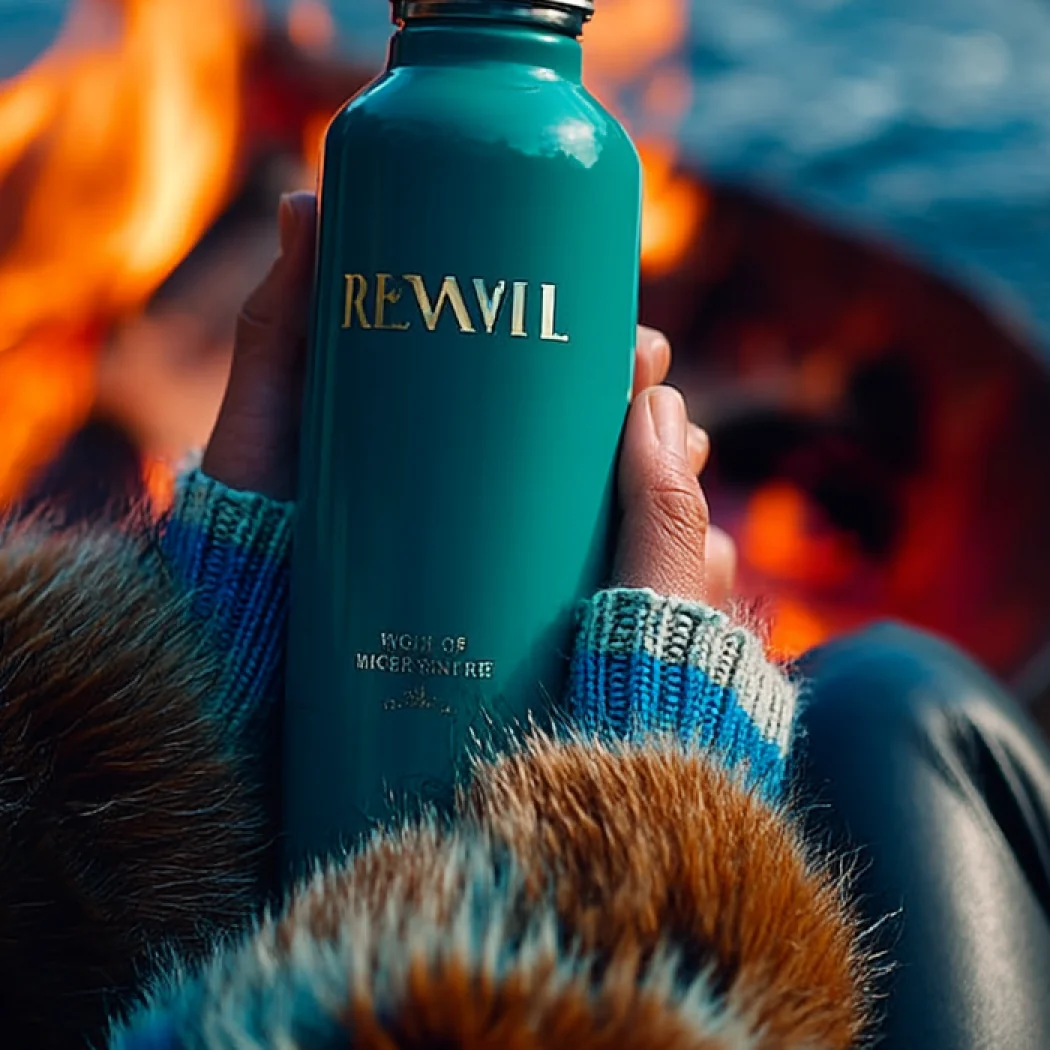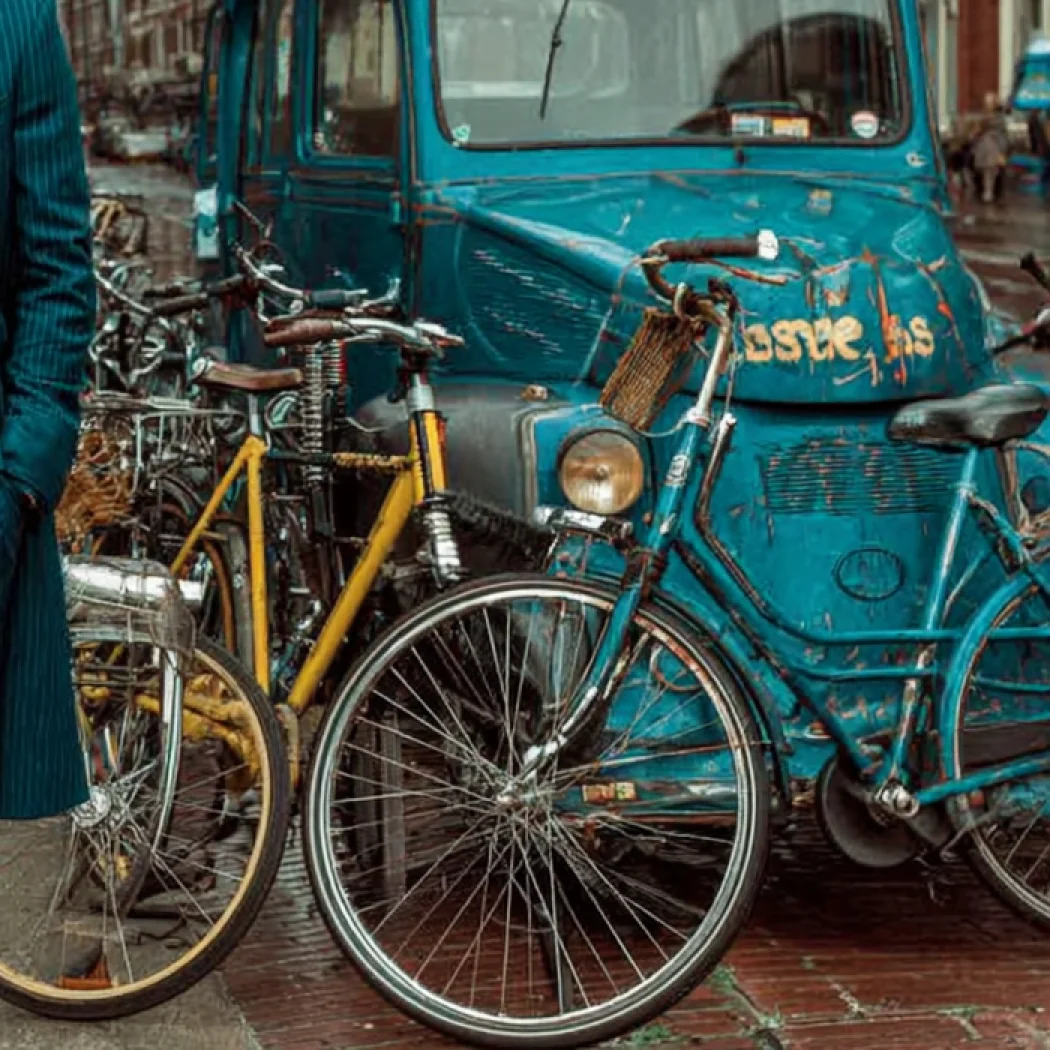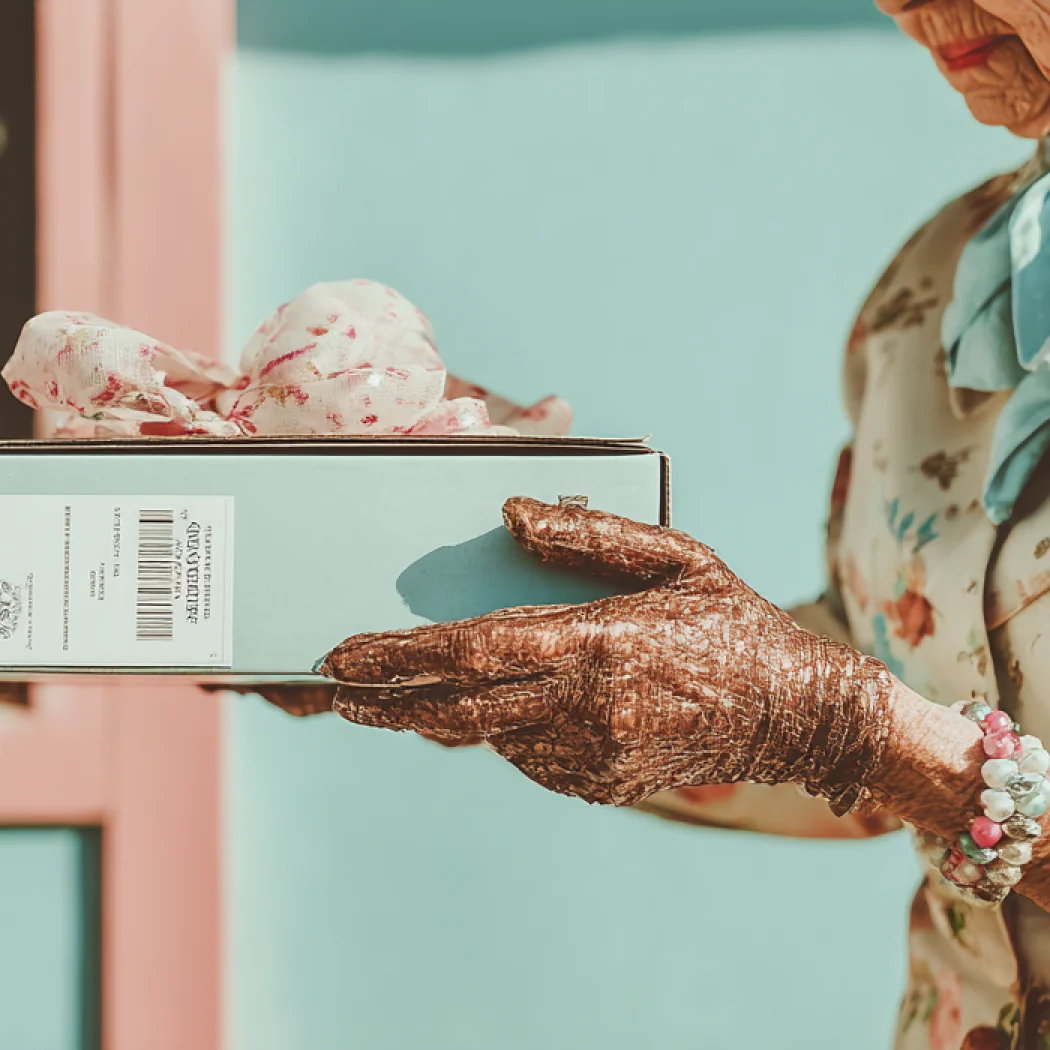
Texture. Can we almost touch it?
Project scope
AI image generation, research · Creative direction, prompting, curation · Ongoing
The test
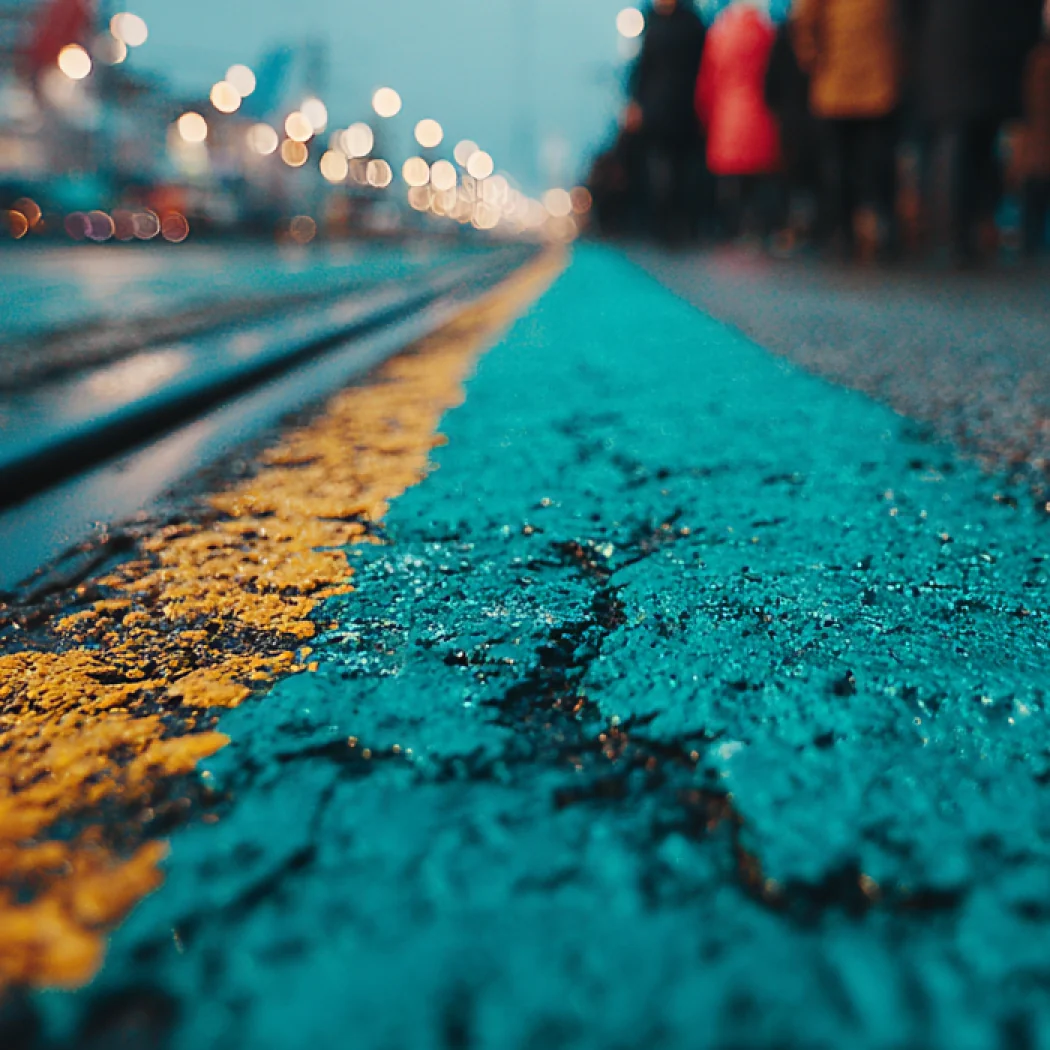
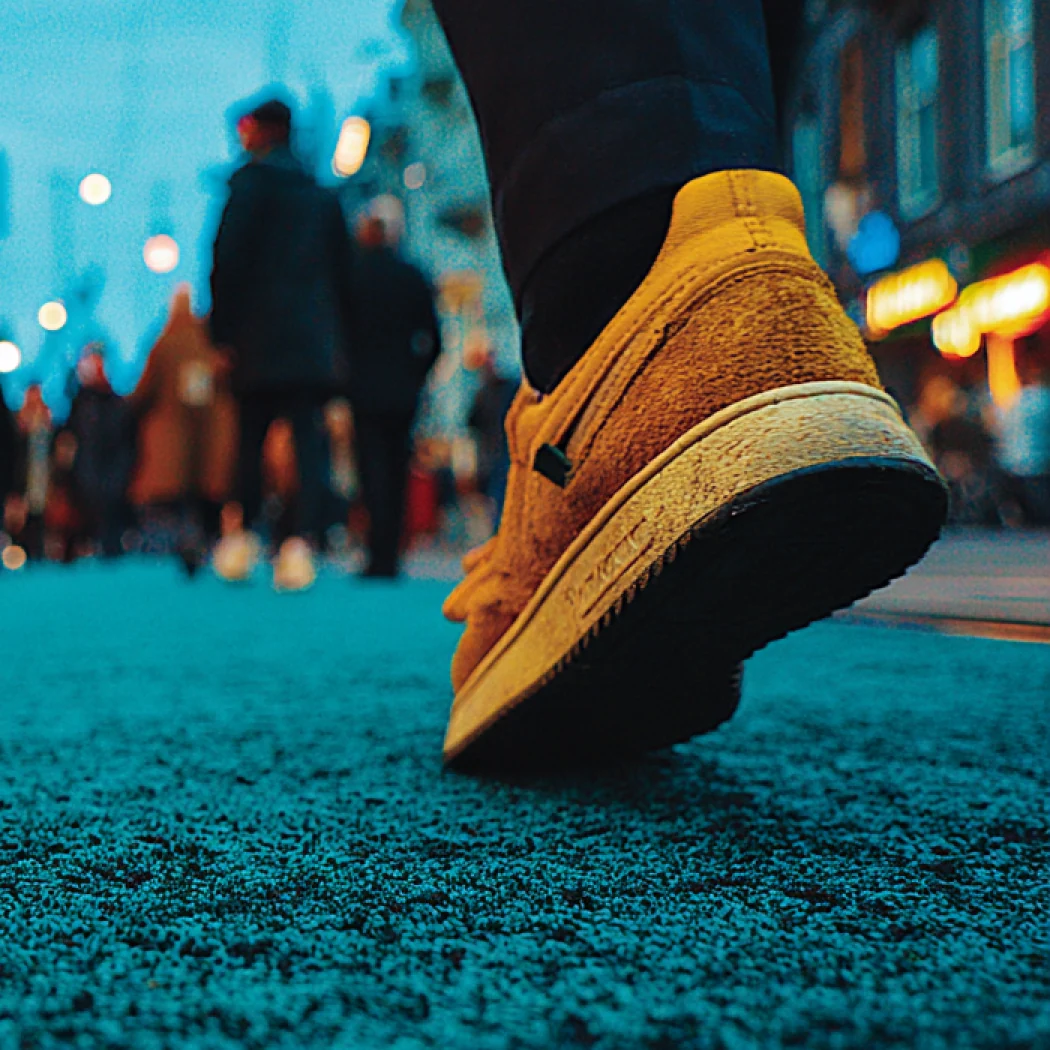
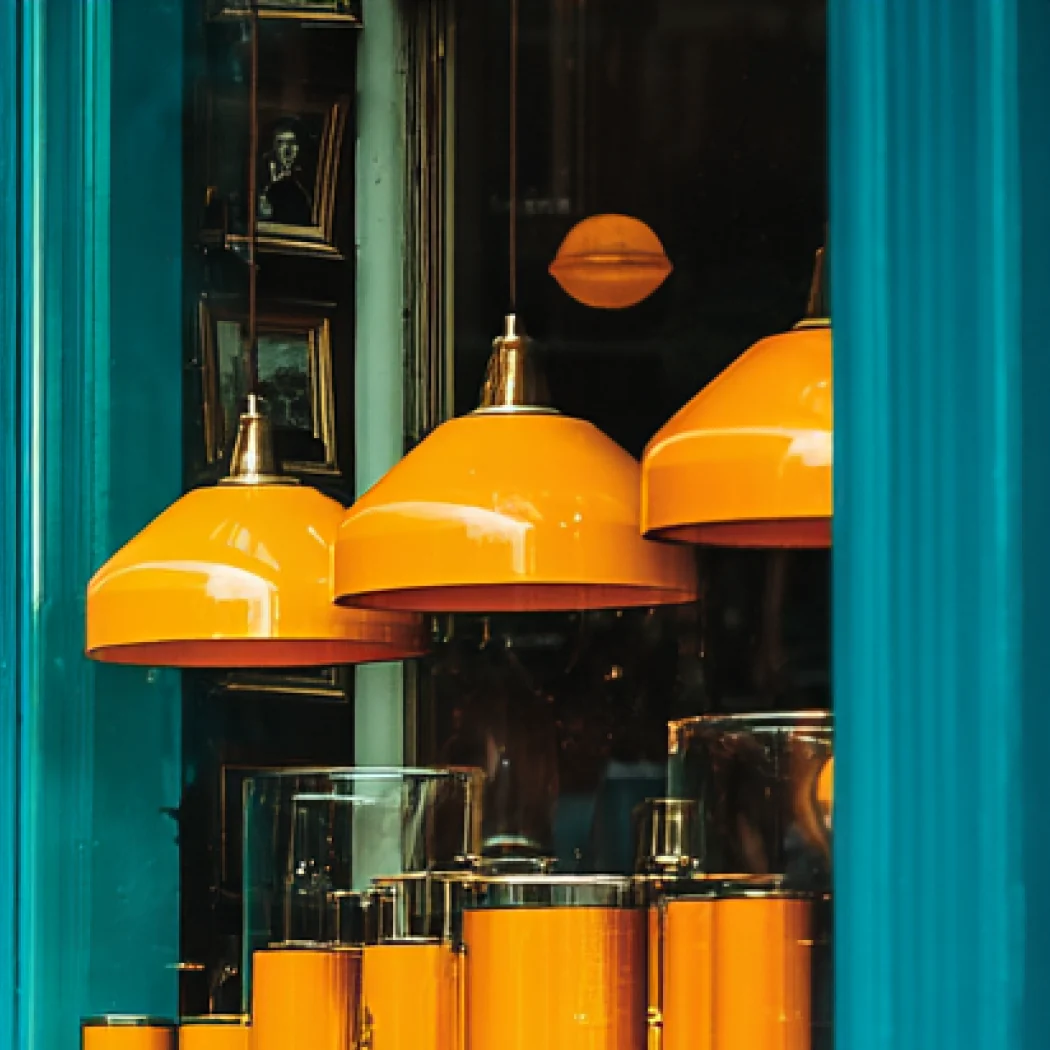
AI tends to render too smooth and too clean. How realistic and how well executed can material, surface and craft get?
The worlds
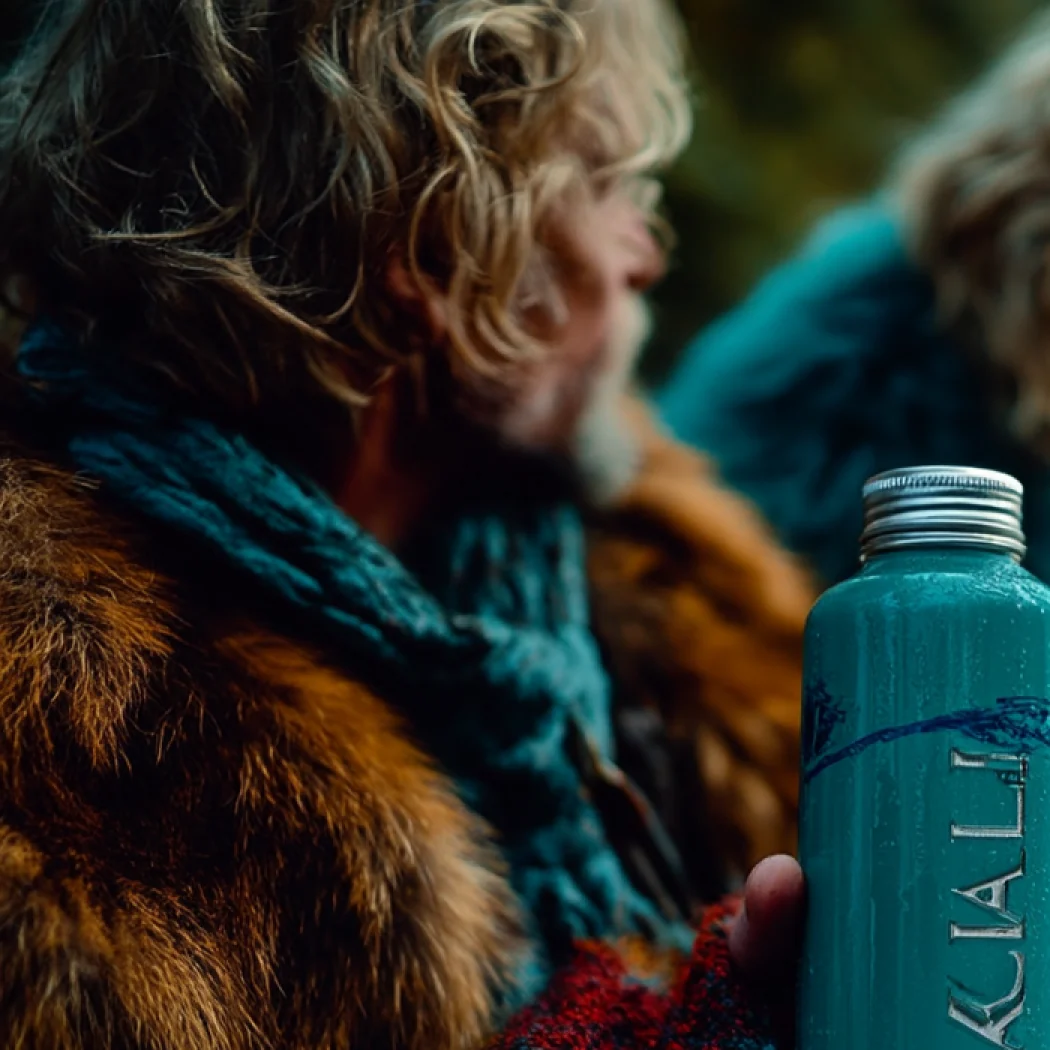
City streets at night. Weathered hands and vessels. A product campaign in the forest. Pastel interiors and street scenes.
Where it delivered
Fabrics with weight: knit, wool, fur. Skin and hands with history. Patina on metal, cracks in asphalt, worn cobblestones. Product sitting naturally inside its world, not pasted on top.
Where it derailed
Rust and damage sometimes came out sloppy: random rather than credible. Strange textures surfaced where they didn’t belong. Tattoos and drawn elements rarely came out right on the first attempt.
Workflow notes
Fabric, skin and light hold up from the start. Damage, rust and drawn elements need a second pass. Tattoos, illustrations and printed graphics are best planned as a separate step, generated or retouched on their own. One visual language can carry many products, as long as the hard surfaces get extra iterations.