No drama. We're good as we are.
Project scope
Self-initiated spec ad for Carte Noire, 2026. Role as Strategist, Creative Director, Director and Editor.
Scenario
In 1978, coffee aisles were red and brown. Carte Noire arrived in black, with a tilted white card and codes borrowed from perfume and fashion. It worked so well that the category copied it: today, black is the dominant colour on the coffee shelf, and the codes that made Carte Noire stand out had blurred into everyone else's.
In June 2026, nearing its 50th anniversary, the brand went back to its roots with Landor. Its two signatures stayed untouched: the card was only simplified, the typography strengthened, and aroma returned to the centre. "In this project, we invented nothing. We regenerated," said Yann Chardenoux, marketing director for France and Benelux.
Carte Noire brand removed what it didn't need. Because a strong identity doesn't need anything else. No fluff, no noise. That's the idea this campaign is built on, told through satire, and a sugar stick. Opened as designed - they say - and you'll have sugar everywhere. We certainly don't need that either.
Approach
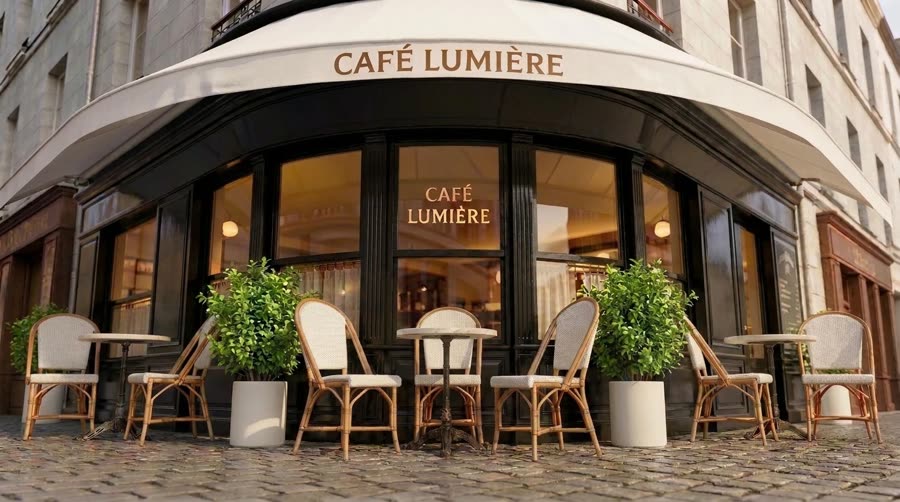
The film lives in two places, at two speeds. Reality is shot in the codes Carte Noire was born with: composed, elegant, closer to a perfume film than a coffee ad. A quiet Paris café, in real time. The other is her memory: a tragedy worthy of an opera, played out in slow motion, triggered by one sugar stick.
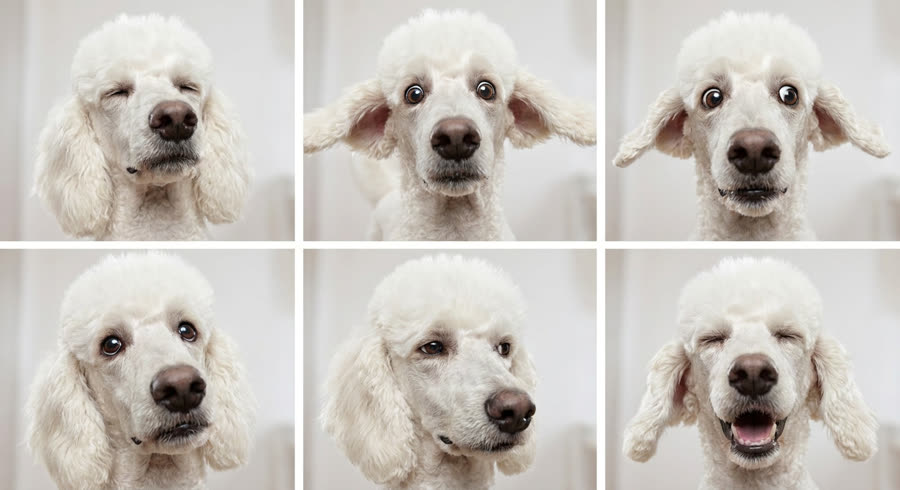
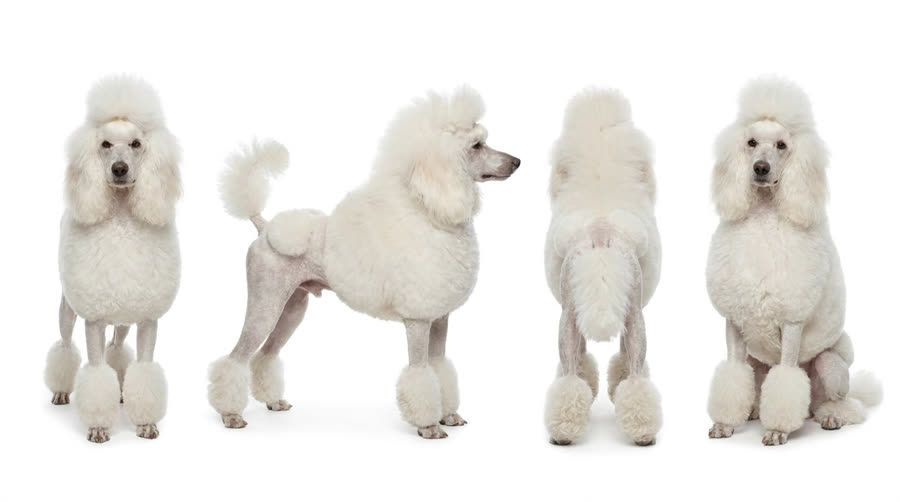
It starts with a waiter serving her a black coffee and asking if she'd like some sugar. The poodle, her witness, reacts before she does.
She remembers how this story ends: one tear, sugar everywhere. Her composure with it. Back to reality, her answer is simple: "No, thank you. We're good." Delivered flat, never performed. That's the concept: she says no to what she doesn't need, just as the Carte Noire brand does. No drama - a metaphor for the brand's clutter. We're good as we are. The calm is the punchline.
Direction
No crew, no set, and a self-funded budget. AI doesn't replace talent, and it never will - if you ask me. But one of its main gifts is how it widens our capacity for expression and closes the gap between an idea and its delivery. The fine print: AI only executes what you've already decided.
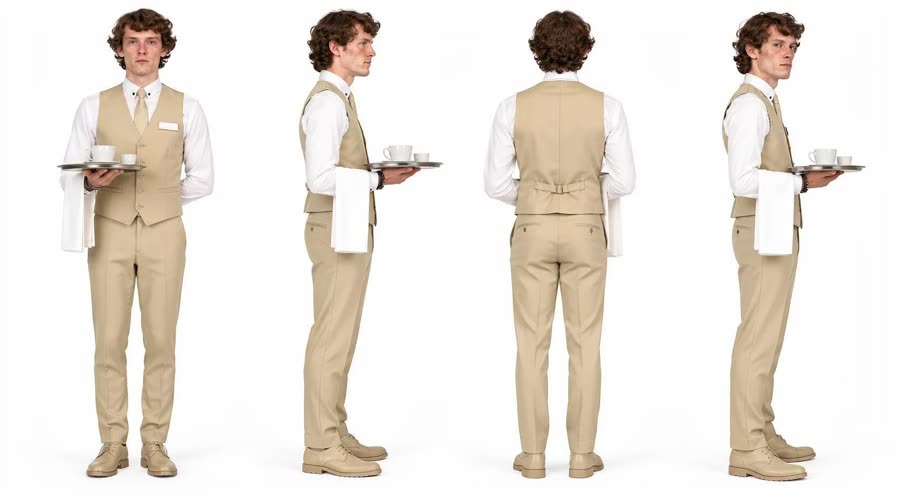
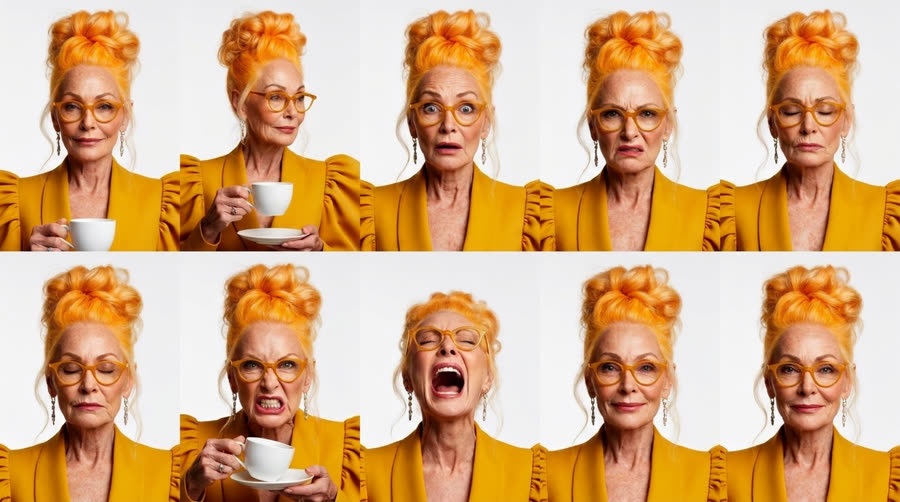
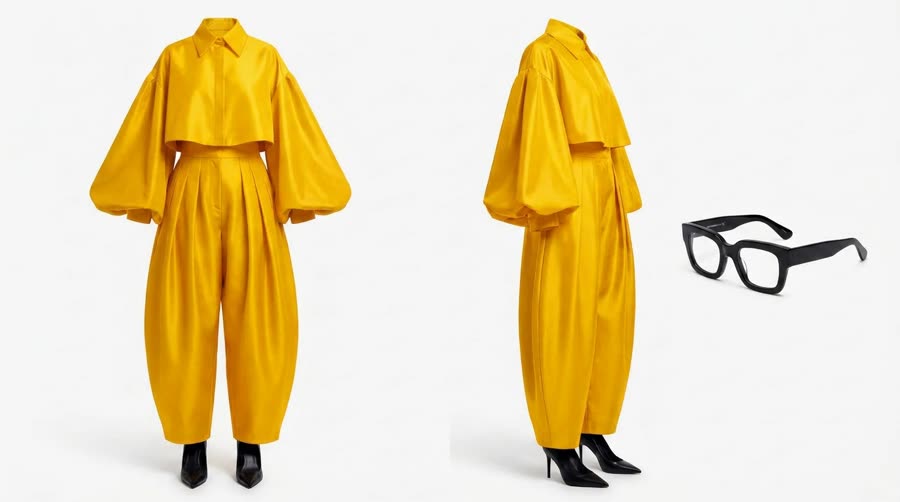
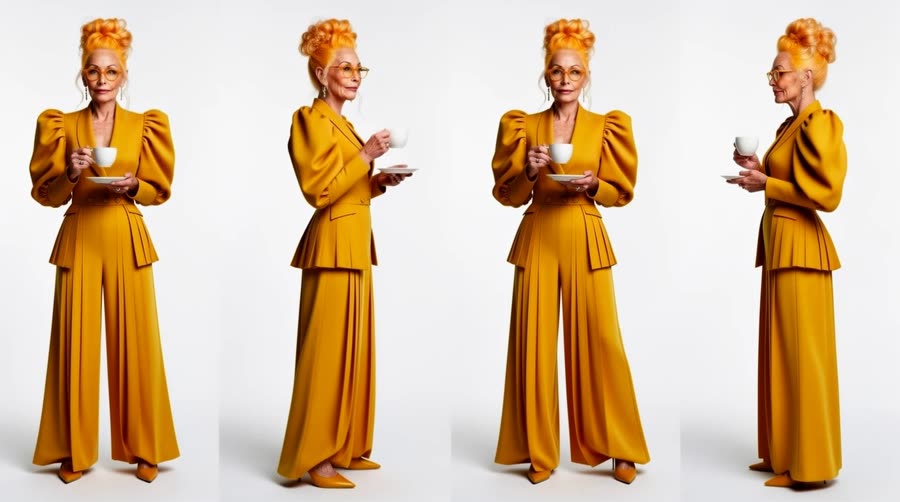
Strategy and thinking, always first. Three characters, one Paris café terrace in soft daylight, four main scenes. The cast and scene were designed before a single shot. A chic older woman with an orange updo, bold black glasses and a yellow outfit, the only strong colour in the film. A white poodle on its own chair, her silent witness. And a waiter in a beige waistcoat and long white apron, polished enough to disappear next to her. All of it in service of the brand: black coffee in a black, white and cream world, and the elegance Carte Noire was built on. Every character came with turnarounds and expression sheets, and the meltdown was timed in four-second beats, ready for music, soon to come.
The film was made in Figma Weave, and no AI shot was accepted as it came. AI got things wrong, as you can still see, in its own ways: a cup held at an angle no waiter would risk, a woman who looked robotic rather than elegant, a poodle that overacted, furniture that appeared from nowhere, and exports that came out soft, striped or pixelated. Not all battles are won yet, especially on the craft and quality of the output. But we'll get there soon.
Impact
Twenty hours of work between the first idea and the first cut (13 October 2026). Spec work, written to a real brand moment and closing on a line Carte Noire could sign. The music and the final finish are still to come.
Note: spec work, not commissioned, affiliated with or endorsed by Carte Noire or the Lavazza Group. Carte Noire and its logo are trademarks of their owners.